
The Chilean fjords represent one of Earth’s last great wilderness areas. Stretching over 1,600 kilometers along Chile’s southern coast, this labyrinth of narrow inlets, towering glaciers, and pristine waterways remains largely untouched by human development. Unlike more accessible destinations, the fjords can only be explored by boat, which has helped preserve their extraordinary landscapes and wildlife for centuries.
This guide covers the wildlife, glaciers, best time to travel, and practical information for planning your expedition.

What are the Chilean fjords and where are they located?
The Chilean fjords are a network of glacier-carved inlets extending from the Reloncaví Estuary (42°S) to Cape Horn (55°S), forming one of the most remote coastal regions on the planet. To put this in perspective, the distance covered is roughly equivalent to the coastline from London to Gibraltar.
Located at the southernmost tip of Chile, these waterways weave through:
- The Magallanes Region
- Tierra del Fuego archipelago
- The Kawésqar National Park (comparable in size to Belgium)
- Thousands of uninhabited islands and channels
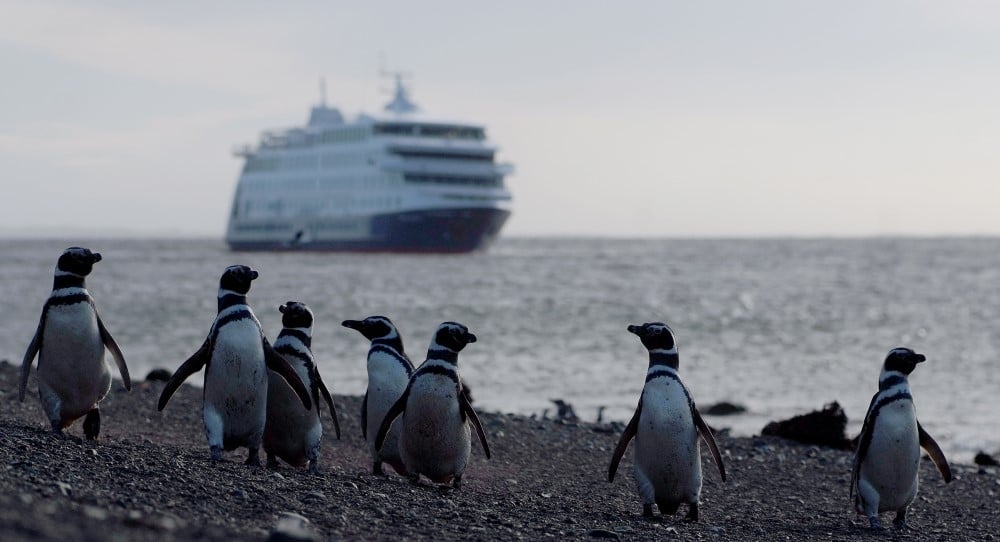
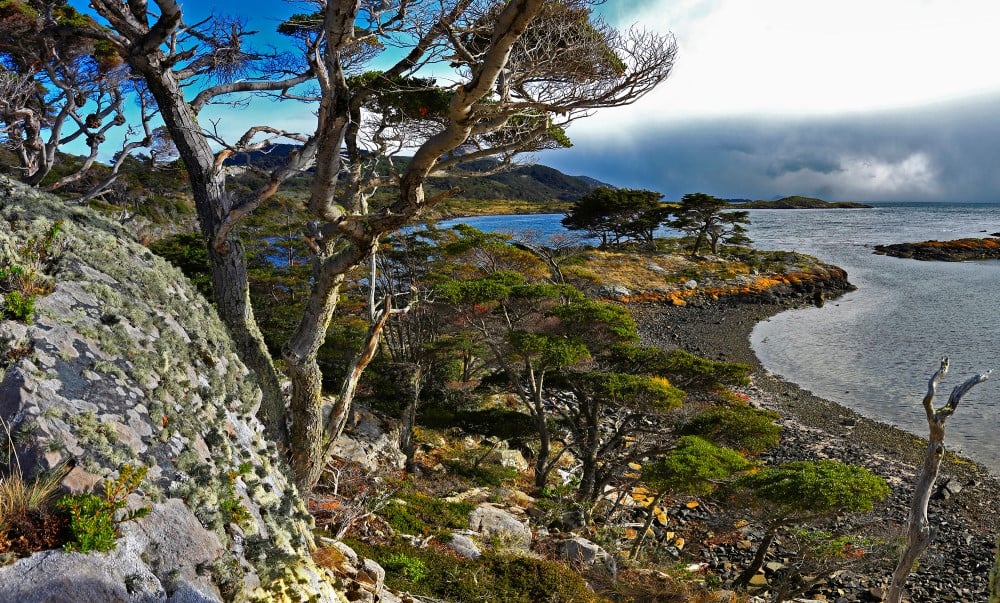
The region’s extreme isolation has created a natural sanctuary. Cruise ships only operate during the austral summer, as winter conditions make navigation treacherous. This seclusion, combined with harsh weather, means the fjords receive far fewer visitors than Norway’s more famous counterparts, preserving an ecosystem that feels genuinely wild.
What wildlife can you see in the Chilean fjords?
The Chilean fjords support exceptional marine and terrestrial wildlife. Cold, nutrient-rich waters attract penguins and whales, while surrounding forests shelter species found nowhere else.
Penguin colonies and seabirds
The fjords are home to thriving colonies of Magellanic penguins, with some sites hosting over 4,000 breeding pairs. Watching these birds waddle along rocky shores or slip into the sea to fish is a highlight for many visitors.
Other notable bird species include:
- Andean condors soaring above the peaks
- Imperial and king cormorants nesting on cliff faces
- Black-browed albatross gliding over open water
- Chilean skuas patrolling the coastline
Marine mammals: whales, dolphins and seals
The fjords serve as important habitat for several whale species. Humpbacks are commonly spotted, while migrating blue whales pass through the region between November and April. In December, orcas arrive to hunt seals in the channels, providing dramatic wildlife encounters.Dolphins frequently accompany boats through the waterways, and elephant seals can be seen lounging on hidden beaches throughout the year. Sea lions are equally abundant, often basking on rocky outcrops. For more details on where to observe these creatures, see our guide to whale watching in Patagonia.
Why are the Chilean fjord glaciers a must-see destination?
The fjords provide access to some of the world’s most spectacular tidewater glaciers. These massive ice formations are retreating rapidly due to climate change, making a visit both a privilege and an increasingly urgent opportunity.
What is Glacier Alley?
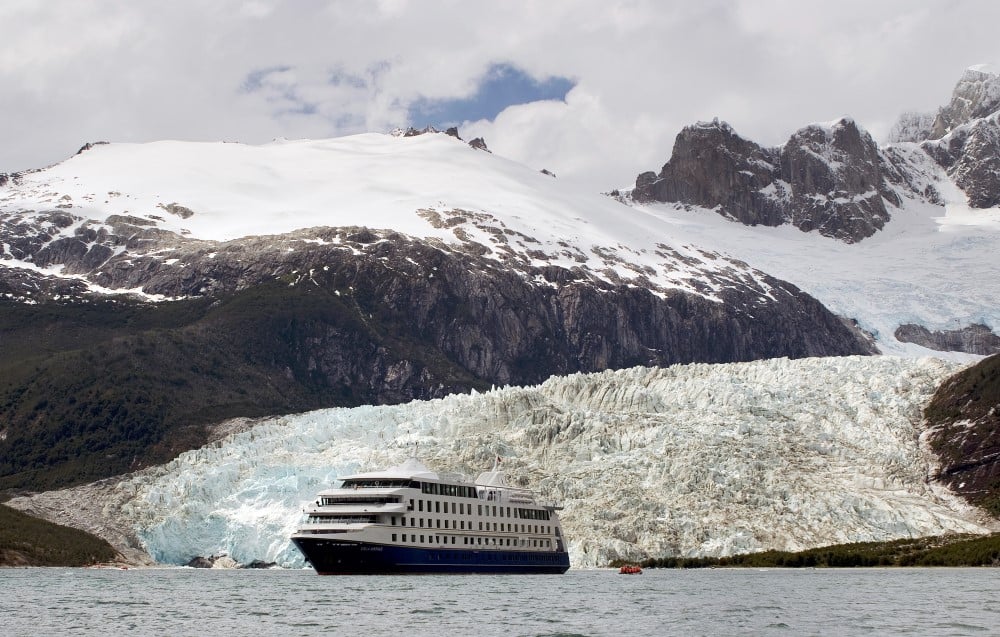
Glacier Alley is a navigable channel flanked by a series of enormous glaciers descending from the Darwin Mountains into the sea. Named after European explorers, these glaciers present towering walls of blue ice that appear almost frozen in time.
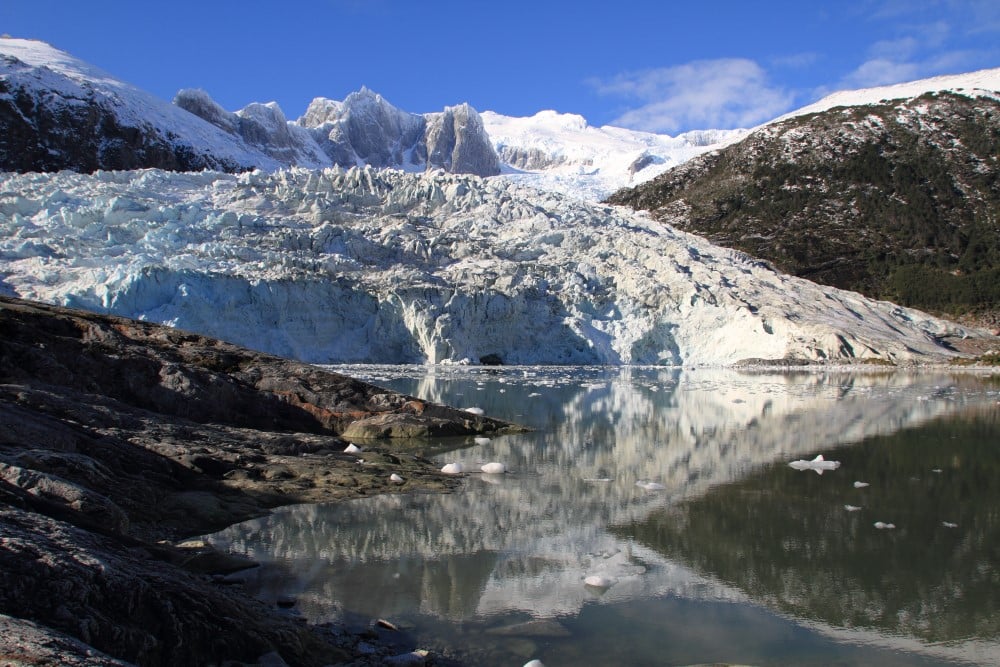
Visitors can witness:
- Calving events where icebergs break off and crash into the water
- The distinctive blue color created by compressed ancient ice
- Waterfalls cascading from ice fields above
San Rafael glacier and the Northern Patagonian ice field
Deeper in the fjords lies the San Rafael Glacier, one of the largest in the Northern Patagonian Ice Field. Rising 70 meters above the waterline and spanning 4 kilometers, it remains impressive despite significant retreat over recent decades.Scientists estimate the glacier has shrunk by 12 kilometers in the past 136 years. Current projections suggest it could disappear entirely by 2030, making present-day visits increasingly meaningful for those who wish to witness these ancient ice formations. For a comprehensive overview, explore our strategic guide to Patagonian glaciers.
What is the best time to visit the Chilean fjords?
The optimal time to visit is during the austral summer, between November and March. Expedition cruises operate exclusively during these months, when weather conditions permit safe navigation and wildlife activity reaches its peak.
Seasonal highlights
| Month | What to expect |
| November | Penguins arrive at rookeries; spring flowers bloom |
| December | Orca activity peaks; longest daylight hours |
| January-February | Warmest temperatures; clearest skies |
| March | Autumn colors; fewer crowds |
For a detailed breakdown, consult our guide on the best time to visit Patagonia.
Weather and packing considerations
According to Andean Trails, visitors should pack:
- Waterproof outer layers
- Warm fleece or wool mid-layers
- Comfortable hiking shoes for shore excursions
- Binoculars for wildlife viewing
- Sun protection for clear days
Weather in Patagonia changes rapidly, so flexibility and proper gear are essential for enjoying the experience fully.
How can you explore the Chilean fjords?
The only way to explore the Chilean fjords is by water. Most visitors choose expedition cruises lasting between three and seven nights, which provide the most comprehensive access to remote sites.
Getting there
Most travelers arrive through one of two main gateways:
- Punta Arenas (Chile): accessible via flights from Santiago
- Ushuaia (Argentina): the world’s southernmost city
Both cities serve as departure points for fjord cruises and offer opportunities to explore before or after your voyage.
What to expect on an expedition cruise
Expedition cruises differ significantly from traditional ocean voyages. They typically include:
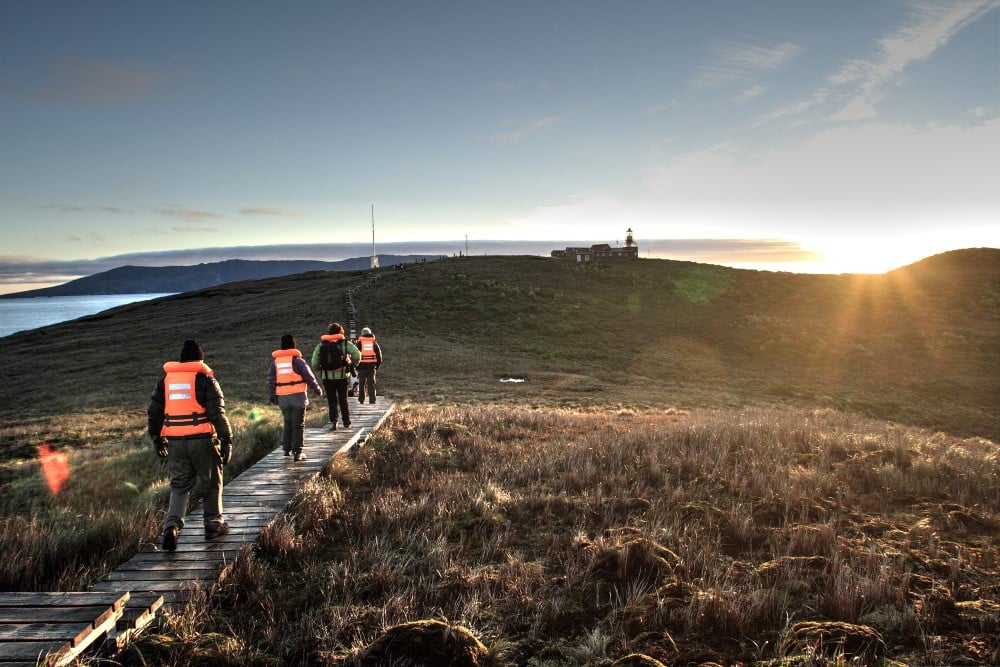
- Daily shore excursions via Zodiac boats
- Visits to penguin colonies and glacier fronts
- Onboard lectures from naturalists and historians
- Small group sizes allowing access to narrow channels
- Landings at sites inaccessible to larger vessels
The most exclusive sites, including Cape Horn and Wulaia Bay, require special permits. Only select operators hold authorization to bring visitors ashore at these historically significant locations. Learn more about what to expect in our article on visiting Cape Horn.
What historical and cultural sites can you visit?
Beyond natural wonders, the Chilean fjords hold significant historical and cultural importance. European explorers, including Charles Darwin, navigated these waters in the 19th century, documenting both the landscape and its indigenous inhabitants.
Cape Horn: the legendary end of the world
Cape Horn marks the southernmost point of the Tierra del Fuego archipelago and the meeting point of three oceans. Darwin visited in 1832 aboard HMS Beagle, narrowly escaping shipwreck in the area’s treacherous waters.
Today, visitors can explore:
- The Stella Maris chapel commemorating lost sailors
- A monument to mariners who perished rounding the Horn
- Panoramic views of the surrounding archipelago
Wulaia Bay and the Yámana legacy
Wulaia Bay holds deep historical significance as the site where Darwin first encountered the Yámana people in 1833. This indigenous group of nomadic hunter-gatherers adapted remarkably to the extreme conditions of Tierra del Fuego, surviving for millennia in one of Earth’s harshest environments.
A former radio station at Wulaia Bay now serves as a museum documenting both the Yámana culture and the European missionaries who arrived in the region.
Discover the Chilean fjords with Australis
For travelers seeking an expedition that combines comfort with genuine adventure, Australis offers a distinctive way to explore the Chilean fjords. With over 30 years of experience navigating these remote waterways, Australis vessels provide intimate access to sites that remain off-limits to most visitors.
As the only cruise line with permission to land passengers at both Cape Horn and Wulaia Bay, Australis provides exclusive access to some of Patagonia’s most significant historical and natural landmarks. Expert guides, Zodiac excursions, and carefully designed itineraries ensure that every voyage reveals the fjords’ extraordinary character. Discover the Australis experience for a detailed look at what awaits.
Whether you’re drawn by the wildlife, the glaciers, or the history, the Chilean fjords offer experiences that stay with travelers long after they return home Explore Australis itineraries to begin planning your journey to the end of the world.
Frequently asked questions about the Chilean fjords
How long does a Chilean fjords cruise take?
Most expedition cruises range from three to seven nights. A four-night voyage typically covers the main highlights including Glacier Alley, penguin colonies, and Cape Horn.
Can you visit the Chilean fjords without a cruise?
The remote fjords are only accessible by water. While ferries operate on some routes, expedition cruises offer the most comprehensive experience with expert guides and shore excursions.
What should I pack for a Chilean fjords cruise?
Pack in layers: waterproof jacket, warm fleece, comfortable hiking shoes, and binoculars. Even in summer, temperatures range from 0-15°C with frequent wind.
Is it possible to see whales in the Chilean fjords?
Yes. Humpback whales are commonly spotted, and migrating blue whales pass through between November and April. Orcas are most active in December.

Originally published on the 01 September 2022. Updated on 17 March 2026.

You may also like…
3 comments
30 August, 2016 2:06 pm
[…] by rounding the dangerous seas of Cape Horn at the very southern point of Chile, or exploring the calmer waters of the Chilean fjords and channels which are replete with opportunities for viewing […]
29 September, 2016 9:19 am
[…] of the last truly untouched parts of the world, comparable only with places such as Antarctica, the pristine fjords of Chilean Patagonia and the Atacama Desert. In Alaska, you’ll find yourself learning what it must have felt like as […]
5 December, 2016 8:11 am
[…] Punta Arenas, expedition cruise ships pass through the remote, mysterious wonderland of the Chilean fjords, past tidewater glaciers dripping into the Beagle Channel before following a similar route as […]
Leave a comment