
Patagonia rewards travelers who look beyond the obvious. While most guides list the same landmarks, the region’s real depth lies in experiences connecting you with its ecology, history, and raw geography in unexpected ways. From tracking pumas at dawn in Torres del Paine to walking among 120,000 penguins on a remote island in the Strait of Magellan, these ten experiences go deeper than the standard itinerary. Whether navigating channels only accessible by expedition cruise with Australis or hiking to glacial lakes beneath Fitz Roy, this guide covers what makes Patagonia genuinely unforgettable.
What’s your ideal Patagonia experience?
Answer 6 quick questions and we’ll recommend the perfect experience for your next adventure at the end of the world.
What can you discover beyond the trails in Torres del Paine?
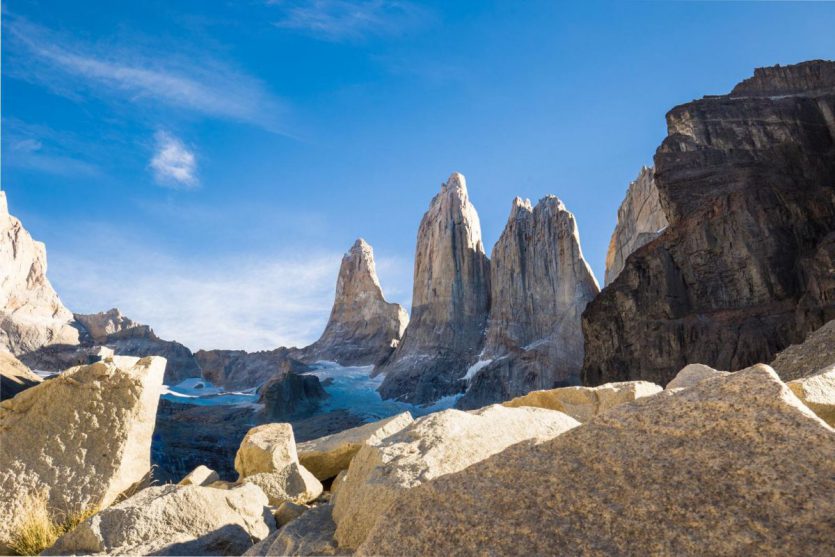
Torres del Paine is far more than its famous trekking circuits. The park’s eastern sector, largely ignored by hikers, has become one of the world’s top destinations for puma tracking, with roughly 200 pumas now resident in the park.
Professional trackers lead dawn excursions through the Laguna Amarga sector, where open steppe creates ideal conditions for spotting Patagonia’s apex predator. Unlike African safaris, puma tracking here happens largely on foot, with guides reading guanaco alarm calls to locate cats remarkably habituated to human presence. Three-day programs report high success rates, particularly between May and September when reduced foliage improves visibility.
Beyond pumas, the eastern sector offers:
- Laguna Azul at sunrise, with granite towers reflected in still water and zero crowds
- Lago Sarmiento’s rare thrombolite formations — ancient microbial structures creating otherworldly rock patterns along the shoreline
Why is navigating the Chilean fjords a must-do experience?
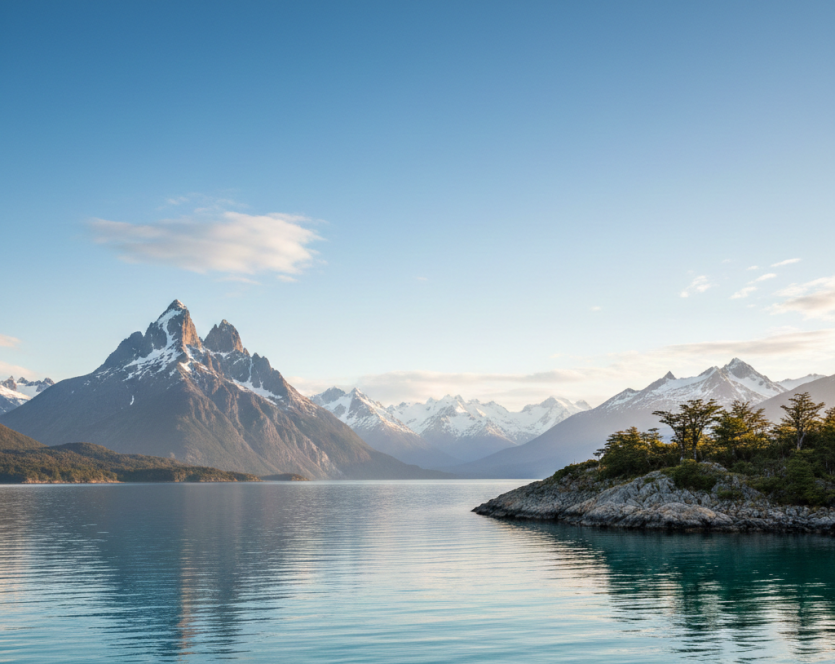
The Chilean fjords form one of the largest temperate rainforest archipelagos on Earth, yet most of this coastline has never been mapped on foot. Ship navigation remains the only way to access landscapes shaped by 12,000 years of glacial retreat.
What distinguishes these fjords from their Norwegian or Alaskan counterparts is the density of tidewater glaciers calving into narrow channels. Zodiac excursions bring passengers within meters of glacier faces — from the crack of splitting ice to the mineral smell of freshly exposed rock.
Magellanic forests cling to near-vertical slopes while the waters support Commerson’s dolphins and sea lions. For travelers who value immersive nature without physical strain, this is Patagonia’s most rewarding experience.
What is it like to stand at Cape Horn?
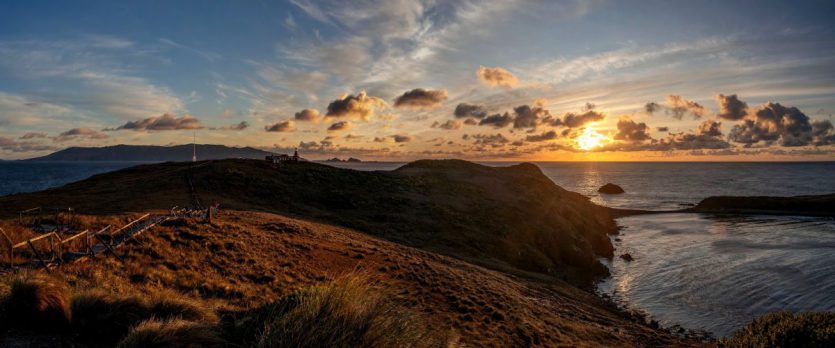
Cape Horn is not just a geographic landmark — it is a threshold. Standing on this headland where the Atlantic, Pacific, and Southern oceans collide, you feel five centuries of maritime history.
Before the Panama Canal (1914), an estimated 10,000 ships and 800 sailors were lost rounding this point. The albatross memorial and lighthouse honor that legacy. Cape Horn is also a UNESCO Biosphere Reserve protecting one of the world’s southernmost terrestrial ecosystems.
Landing is weather-dependent (successful ~60% of attempts), and Australis is the only company authorized to disembark passengers — making every successful landing feel genuinely earned.
What wildlife encounters are unique to Tierra del Fuego?
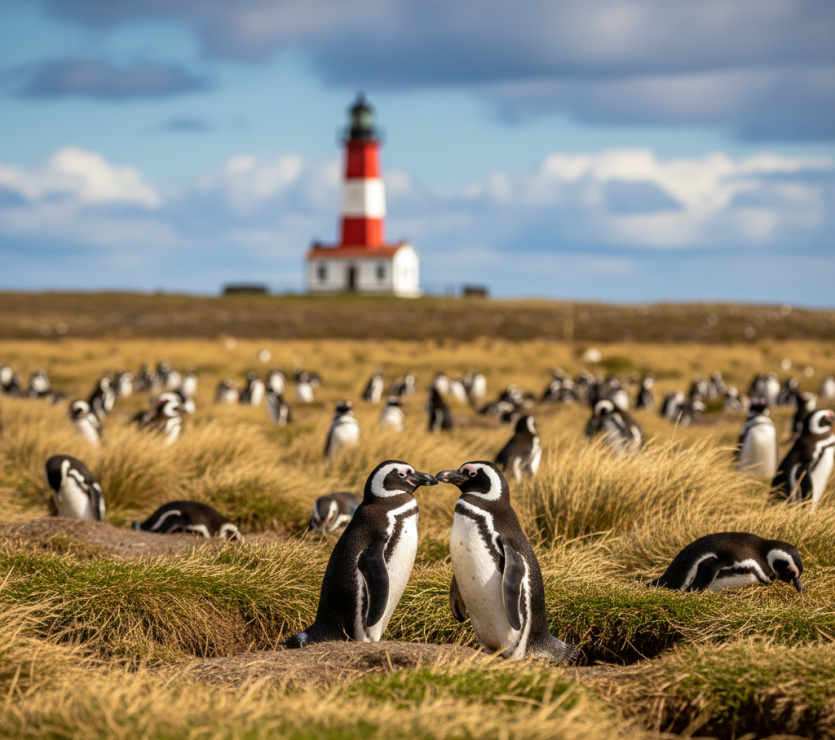
Tierra del Fuego’s isolation has produced wildlife interactions that don’t exist elsewhere. The region functions as a living laboratory where species evolved in near-total separation from mainland South America, creating behaviors and populations found nowhere else.
Magdalena Island is the standout: a tiny island where over 12,000 Magellanic penguins nest so close to the path that you hear them calling from their burrows. Unlike most colonies worldwide, here visitors walk directly through the rookery, an intimacy that conservation-minded tourism has sustained since 1982.
Other encounters that set this region apart:
- The Andean condor patrolling glacial valleys near Wulaia Bay, observable from the decks of expedition vessels like Australis as they navigate the Beagle Channel and the Chilean fjords
- Commerson’s dolphins — striking black-and-white cetaceans endemic to these waters — frequently bow-riding alongside cruise ships and day-tour boats operating from Ushuaia and Punta Arenas. Local operators such as Fernández Campbell and Turismo Comapa run half-day excursions through the Strait of Magellan where sightings are common
- The only continental American king penguin colony at Bahía Inútil, on the Chilean side of Tierra del Fuego. The colony is accessible by road from Porvenir (about 90 minutes by car) or as a full-day excursion from Punta Arenas that includes the Strait of Magellan ferry crossing. The private Parque Pingüino Rey reserve is open year-round, and the penguins are resident in all seasons
Why is the Perito Moreno glacier different from any other?
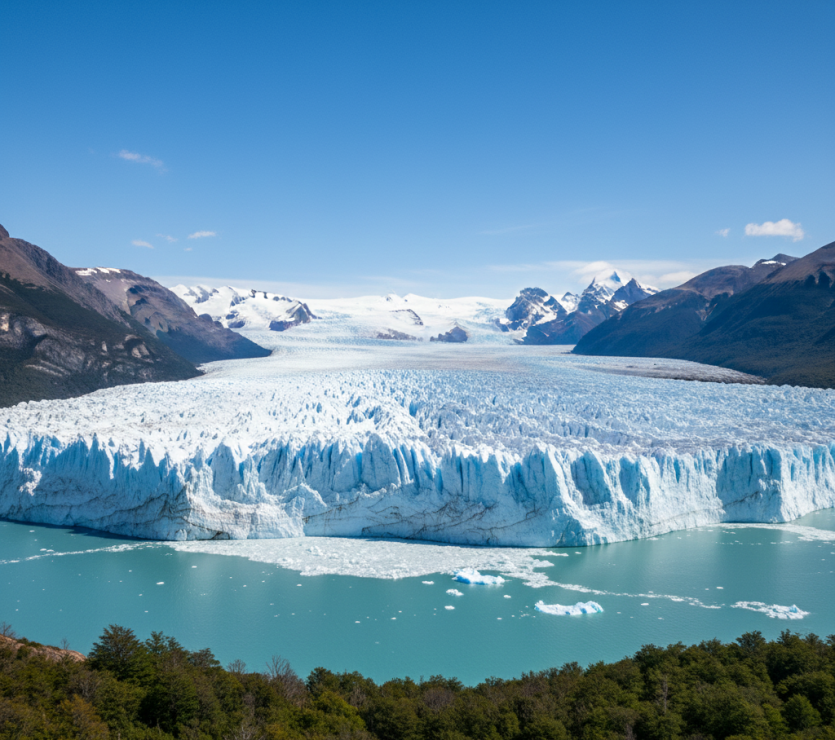
Most glaciers worldwide are retreating. Perito Moreno is a rare exception: a glacier that continues to advance, creating a cycle of pressure and collapse that no other accessible glacier on Earth replicates.
Located within Los Glaciares National Park, the glacier stretches 19 miles and rises 240 feet above Lago Argentino. What makes the experience visceral is the sound: deep groaning under pressure followed by thunderous calving where bus-sized chunks crash into the lake. Elevated walkways position visitors at eye level with the ice wall.
Periodically, the glacier blocks the Brazo Rico arm, building hydraulic pressure until the ice dam collapses spectacularly — an event drawing global media attention every few years.
What can you explore at Wulaia Bay on Darwin’s historic route?
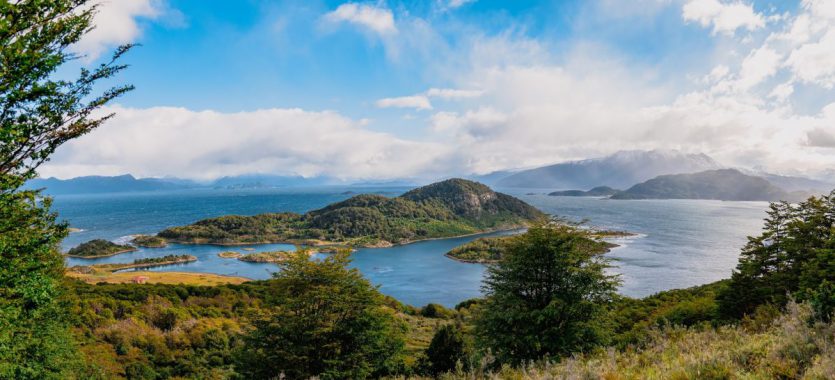
Wulaia Bay is where scientific modernity met one of the world’s oldest continuous cultures. When Darwin landed here in 1833, the Yaghan had inhabited Tierra del Fuego for over 6,000 years, surviving conditions Europeans considered impossible.
The former radio station now houses an information center documenting the Yámana’s extraordinary adaptations: surviving near-freezing temperatures with minimal clothing, their sophisticated canoe construction, and the controlled fires that gave Tierra del Fuego (“Land of Fire”) its name. The site also traces Darwin’s observations that later shaped On the Origin of Species.
Guided walks reveal a subantarctic forest where every surface supports life — tree trunks wrapped in mosses, forest floors thick with ferns, and canopy sheltering Magellanic woodpeckers. The bay itself remains one of the most visually striking landing sites in Patagonia.
Why is El Chaltén the trekking capital of Patagonia?
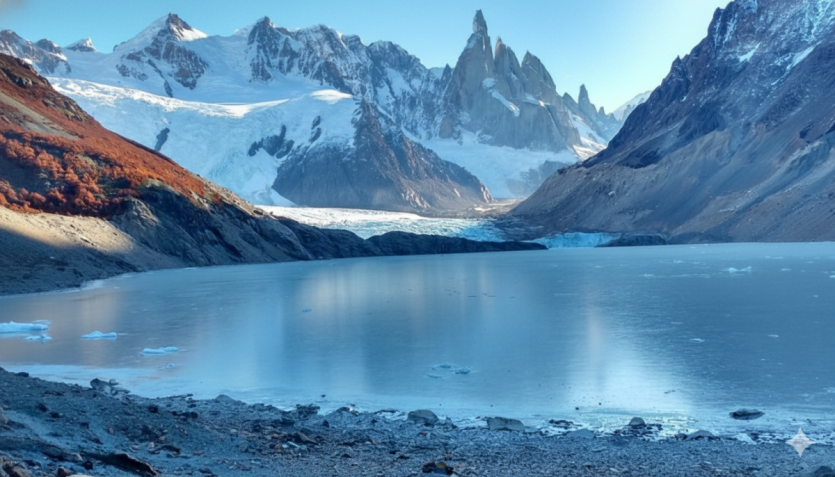
What makes El Chaltén exceptional is its accessibility. Unlike Torres del Paine, trails within Los Glaciares National Park are free, permit-free, and reward day hikers with views rivaling any multi-day route in the hemisphere.
The Laguna de los Tres trek is the signature experience: a full day culminating at a cobalt-blue lake beneath Fitz Roy’s jagged spires. But lesser-known alternatives are equally rewarding. The Piedra del Fraile refuge grants views of Fitz Roy’s north face that few visitors ever see, while Mirador Los Cóndores positions you above the valley to watch condors soar along thermal ridgelines.
Key practical notes: weather shifts dramatically within hours (build buffer days into your itinerary), the final ascent crosses steep scree requiring moderate fitness, and El Chaltén’s restaurants have improved significantly, making it a comfortable base despite its remoteness.
What awaits you in Ushuaia beyond the “end of the world” sign?
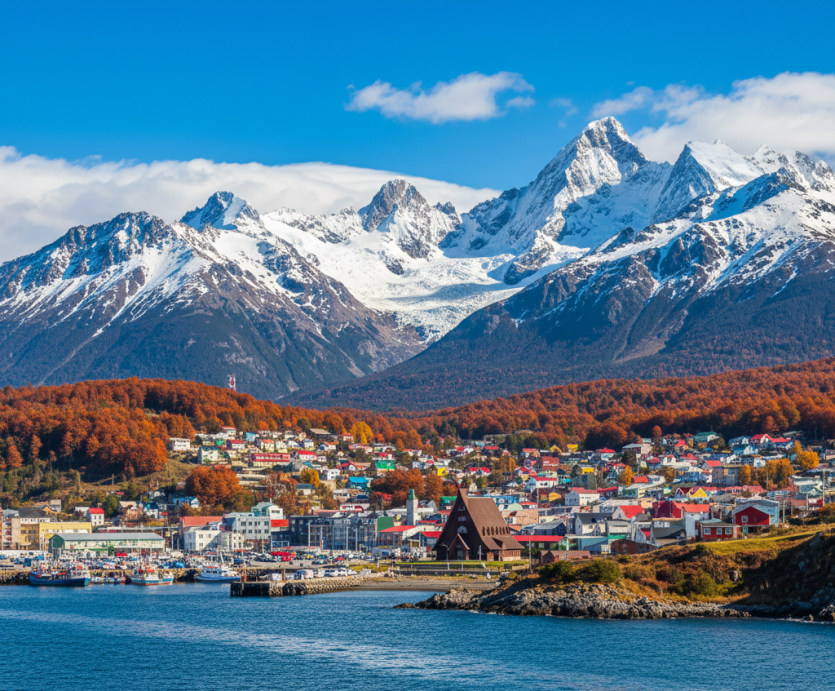
Ushuaia is far more than a photo at the southernmost city marker. It is a working port with genuine cultural depth and, in winter (June–September), a snow-sport destination rivaling anything in South America.
The Museo Marítimo, housed in the former prison, documents not just penal history but Antarctic exploration, with exhibits on Shackleton and the polar expeditions that departed from these docks. Outside the city, Tierra del Fuego National Park offers coastal trails through peat bogs and beech forests reaching the shores of the Beagle Channel.
For winter visitors (June–September), the Tierra Mayor Valley transforms into a landscape of husky-pulled sleds, snowshoe treks through silent forests, and evenings around wood stoves in mountain refuges. Ushuaia also serves as the departure point for Australis expedition cruises toward Cape Horn and the Chilean fjords.
Why is the Beagle Channel a historic and scenic highlight?
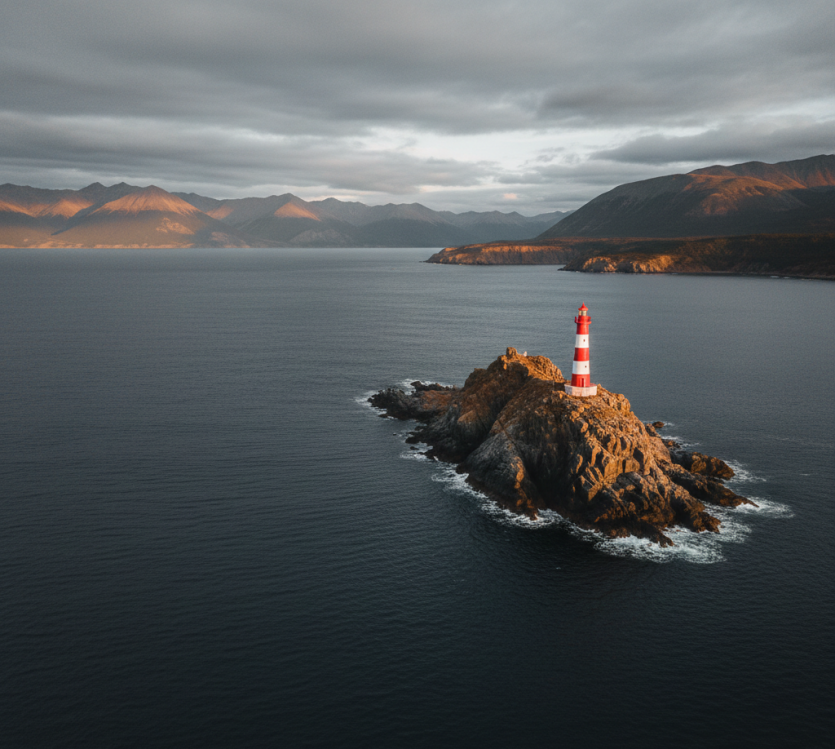
The Beagle Channel is named for HMS Beagle, the ship that carried Darwin through these waters in the 1830s. Navigating it today feels like retracing one of science’s most consequential voyages through a landscape remarkably unchanged.
Stretching 150 miles between Tierra del Fuego and the southern archipelago, the channel serves as a natural border between Argentina and Chile. Its sheltered waters make for comfortable sailing while scenery shifts constantly: snow-capped peaks, islets colonized by cormorants and sea lions, and the entrance to Glacier Alley where glaciers descend toward the waterline. For cruise passengers, it connects Ushuaia, Wulaia Bay, Cape Horn, and the fjords into a single journey.
How can you explore Patagonia with comfort and expert guidance?
An expedition cruise with Australis connects Cape Horn, Wulaia Bay, the Chilean fjords, and Magdalena Island in a single voyage from Ushuaia to Punta Arenas exclusively in the Patagonian Explorer itinerary. With Fjords of Tierra del Fuego, we visit Tucker island where we can also see penguins from a zodiac.
With over 30 years navigating these waters, Australis provides naturalist-guided excursions and Zodiac landings that complement land-based activities in Torres del Paine and El Chaltén for a comprehensive Patagonia experience.
Frequently asked questions about Patagonia experiences
What is the best time of year to visit Patagonia?
September through April is the main season. December through February offers the longest daylight and warmest temperatures. For puma tracking, winter months (May–September) provide better visibility.
How many days do you need to explore Patagonia properly?
Plan for 10 to 14 days to cover both Chilean and Argentine highlights: an expedition cruise combined with trekking in Torres del Paine or El Chaltén.
Is Patagonia suitable for travelers over 60?
Many top experiences require no strenuous effort: expedition cruising, Perito Moreno’s walkways, and Ushuaia’s accessible trails all offer immersive encounters without demanding hikes.
Can you visit both Chilean and Argentine Patagonia in one trip?
Yes. An expedition cruise naturally crosses the border between Ushuaia and Punta Arenas, covering Chilean highlights before or after Argentine destinations like Perito Moreno and El Chaltén.
You may also like…
No comments yet
There are no comments on this post yet.
Leave a comment