
Deciding between starting your Patagonian expedition from Punta Arenas (Chile) or Ushuaia (Argentina) is purely a matter of logistics and travel planning. Both Australis routes deliver the same unforgettable expedition cruise experience through Tierra del Fuego’s fjords, offering identical access to glaciers, wildlife, Cape Horn, and pristine sub-Antarctic forests. The direction of your journey depends entirely on where you’re coming from and how you’ve organized the rest of your South American adventure.
Australis Cape Horn & Patagonia
What kind of explorer
are you?
Answer six short questions and discover the Patagonian experience that matches your curiosity — from glaciers you can almost touch to penguin colonies at the end of the world.
This guide will help you understand what both routes share, what makes the Australis Experience unique, and how to choose the departure city that fits best with your travel plans. Whether you board in Chile or Argentina, you’ll navigate the same legendary waterways that explorers have crossed for centuries, all while enjoying premium service and all-inclusive comfort.

What is the Australis Experience?
The Australis Experience is a 4-night, 5-day expedition cruise that takes travelers through some of the most remote and spectacular landscapes on Earth. Regardless of your departure point, you’ll explore the Strait of Magellan, the Beagle Channel, and the countless fjords carved into the Darwin Mountain Range.
Both the Ventus Australis and Stella Australis vessels are purpose-built for navigating Patagonia’s narrow channels, with a maximum capacity of just 200 passengers. This intimate setting allows access to places larger cruise ships simply cannot reach. Every cabin features exterior windows, and all meals, beverages, and excursions are included in the fare.
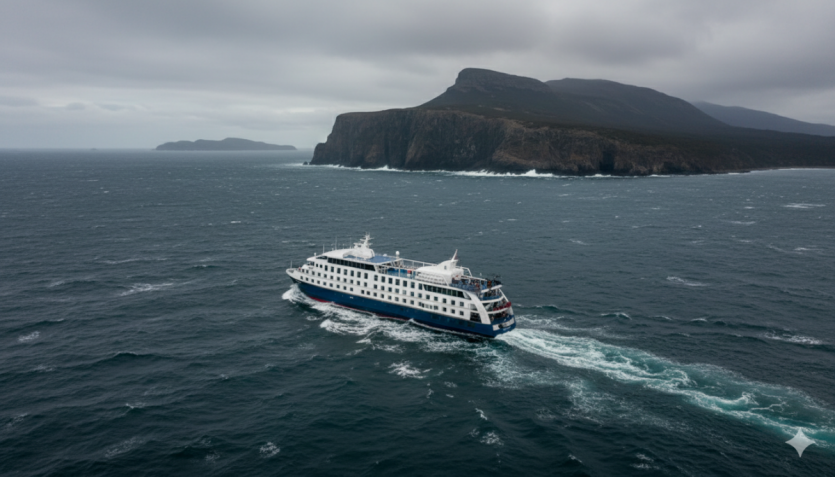
On either route, you’ll experience daily Zodiac excursions led by expert naturalist guides, educational presentations about Patagonian history and wildlife, and the chance to disconnect from the digital world since there’s no Wi-Fi aboard. This intentional design encourages guests to fully immerse themselves in the breathtaking scenery and connect with fellow travelers.
The experience combines luxury hospitality with authentic exploration, striking a balance that appeals to discerning travelers seeking more than a typical cruise. Chilean and Argentine wines flow freely at the bar from 10 a.m. until midnight, and gourmet meals feature local ingredients prepared by skilled chefs. For travelers who enjoy following in the footsteps of great explorers, this voyage retraces much of the same route that Charles Darwin sailed aboard the HMS Beagle.
What will I see on both Australis routes?
Both routes offer the same core experiences that define an Australis expedition. You’ll witness dramatic glaciers descending from the Darwin Range, encounter colonies of Magellanic penguins, walk through ancient sub-Antarctic forests, and have the opportunity to set foot on Cape Horn, the legendary southernmost point of South America.
The glaciers are among the most accessible on the planet, with ice formations that reach directly into the sea. On both itineraries, you’ll get close enough to hear the cracking of ice and watch chunks calve into the water. The Pía Glacier appears on both routes, offering a spectacular hiking excursion to a viewpoint overlooking its massive tongue of ice. These tidewater glaciers represent different types of glacial formations that have shaped Patagonia over thousands of years.
Wildlife sightings are common throughout the journey. Beyond penguins, you may spot sea lions, cormorants, albatrosses, Andean condors and, if you’re lucky, various species of dolphins and marine mammals. The guides are trained to help identify species and share insights about the region’s unique ecosystem.
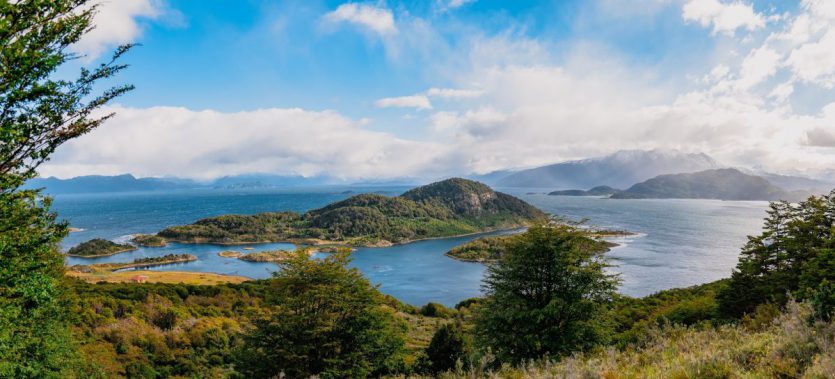
Bahía Wulaia, an important historical site of the Yámana people, is also visited on both routes. Here you’ll walk through the Magellanic forest and learn about the indigenous communities that once inhabited these shores. The connection to human history adds depth to the natural wonders you’ll experience.
What experiences are included on both routes?
The following table shows the shared experiences and excursions included on both the Fiordos de Tierra del Fuego route (from Punta Arenas) and the Exploradores de la Patagonia route (from Ushuaia):
| Experience | Description |
| Cape Horn landing | Set foot on the legendary southernmost point, weather permitting |
| Pía Glacier excursion | Hike to a viewpoint overlooking this majestic glacier |
| Bahía Wulaia | Walk through sub-Antarctic forest and visit historic Yámana settlement |
| Magellanic penguin viewing | Observe colonies of penguins in their natural habitat |
| Beagle Channel navigation | Sail through the legendary waterway between Chile and Argentina |
| Strait of Magellan | Navigate the historic passage connecting Atlantic and Pacific |
| Darwin Range glacier views | Multiple glaciers visible from the ship |
| Sub-Antarctic forest walks | Guided hikes through pristine Magellanic forest |
| Zodiac expeditions | Multiple daily outings in inflatable boats |
| Onboard presentations | Educational talks about wildlife, history, and geography |
| All-inclusive service | Meals, beverages, and excursions included |
Both routes are designed to showcase the best of Patagonia’s natural wonders. The sequence of stops differs between itineraries, but the overall experience remains consistent. The over 80% historical landing rate at Cape Horn applies equally to both directions. Understanding why landing at Cape Horn can be challenging helps travelers appreciate both the achievement and the adventure involved in reaching this remote destination.
How should I choose my Australis route?
The decision between routes comes down entirely to logistics and travel planning, not the quality of the experience. There is no “better” route, only the one that fits more seamlessly into your broader itinerary.
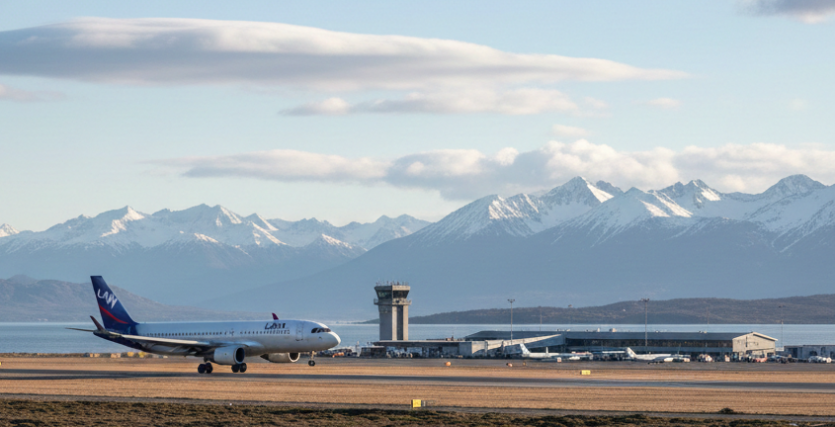
If you’re arriving from Chile, consider departing from Punta Arenas. The city is connected by direct flights from Santiago (approximately 3.5 hours) and Puerto Montt (about 2.5 hours). This option works well for travelers exploring Chilean Patagonia, including Torres del Paine National Park, before their cruise.
If you’re arriving from Argentina, starting in Ushuaia makes logistical sense. Flights arrive from Buenos Aires (3.5 hours), Córdoba (4 hours), and El Calafate (1.5 hours). This route is ideal for those who want to explore Argentine Patagonia, visit Perito Moreno Glacier, or continue to Buenos Aires after their expedition.
Consider also what comes after your cruise. Ending in Ushuaia positions you perfectly for flights to Buenos Aires or connections to Antarctica expeditions. Ending in Punta Arenas allows easy access to Chilean destinations or the Torres del Paine region.
Some travelers combine the cruise with both Chilean and Argentine destinations. In this case, the one-way nature of the voyage becomes an advantage, allowing you to start in one country and finish in another without backtracking. Our comprehensive guide on what to expect on a cruise from Ushuaia to Punta Arenas offers additional details about this classic route.
What practical details should I know before booking?
Both routes are 5 days and 4 nights, with check-in at 6 p.m. on the first day and disembarkation in the morning of the fifth day. The fare structure is identical for both itineraries.
All passengers must carry a valid passport and any required visas for both Chile and Argentina, as the cruise crosses international borders. Embarkation taxes apply and are not included in the cruise fare. These fees cover port charges, government taxes, and national park entrance fees.
The climate in Patagonia is unpredictable year-round, with temperatures typically ranging from 3°C to 12°C (37°F to 54°F). Layered clothing, waterproof outerwear, and sturdy hiking shoes are essential for the excursions. The ships operate from September through April, with penguin viewing best between October and March when the birds are present in the region.
There are no elevators aboard, so passengers should be comfortable navigating stairs between the ship’s five decks. The crew includes personnel trained in first aid, though travelers are encouraged to purchase comprehensive travel insurance for additional coverage. For detailed planning information, the Chilean Tourism Board and Argentina Tourism offer resources for entry requirements and regional highlights.
Conclusion
Choosing between the Fiordos de Tierra del Fuego and Exploradores de la Patagonia routes isn’t about finding the better experience. Both itineraries deliver the same exceptional Australis Experience: glaciers that take your breath away, wildlife encounters you’ll never forget, the historic significance of Cape Horn, and the comfort of all-inclusive luxury aboard intimate expedition vessels.
The only real question is where your journey begins and ends. If Chile is your gateway to Patagonia, Punta Arenas awaits. If Argentina fits better with your travel plans, Ushuaia is your starting point. Either way, you’ll traverse the same legendary channels that have captivated explorers for centuries.
Ready to discover the fjords, glaciers, and wildlife of Tierra del Fuego for yourself? Explore available departures and find the itinerary that fits your plans at Australis Itineraries.
Frequently asked questions
Can I see penguins on both Australis routes?
Yes, both routes include opportunities to observe Magellanic penguin colonies. However, penguins are migratory birds and are only present in the region from October through March. If penguin viewing is a priority, booking during these months is recommended. The penguin life cycle follows predictable patterns that make timing your visit straightforward.
What happens if weather prevents the Cape Horn landing?
Weather conditions at Cape Horn can be challenging, and landings are subject to the captain’s discretion based on safety. Historically, Australis achieves an over 80% success rate for Cape Horn landings. If landing isn’t possible, the ship will navigate as close as safely possible for viewing from aboard. The notorious weather patterns that make Cape Horn legendary also make flexibility an essential part of the adventure.
Is one route longer than the other?
Both routes follow the same overall schedule of 4 nights and 5 days. The embarkation time is 6 p.m. on day one, and disembarkation occurs on the morning of day five.
Do I need visas for both Chile and Argentina?
Because the cruise crosses between Chilean and Argentine waters and territories, passengers must meet entry requirements for both countries. Requirements vary by nationality. Check with your home country’s travel advisories and the Chilean and Argentine consular websites to determine if visas are required before booking.
What’s included in the all-inclusive fare?
The fare includes accommodation, all meals (breakfast, lunch, and dinner), unlimited beverages at the bar including Chilean and Argentine wines and cocktails, all excursions and Zodiac outings, educational presentations, and use of the ship’s facilities. Embarkation taxes, gratuities, and purchases at the onboard shop are not included.


You may also like…


No comments yet
There are no comments on this post yet.
Leave a comment