
Argentina stretches from subtropical jungles to glacial fjords, offering nature enthusiasts some of the most diverse landscapes on Earth. Whether you’re drawn to thundering waterfalls, pristine wetlands, or Patagonian wilderness, these ten destinations represent the country’s finest natural attractions.
This guide covers Argentina’s essential nature experiences from north to south: waterfalls, wetlands, mountains, glaciers, and wildlife.

Why is Iguazu Falls considered one of the world’s greatest natural wonders?
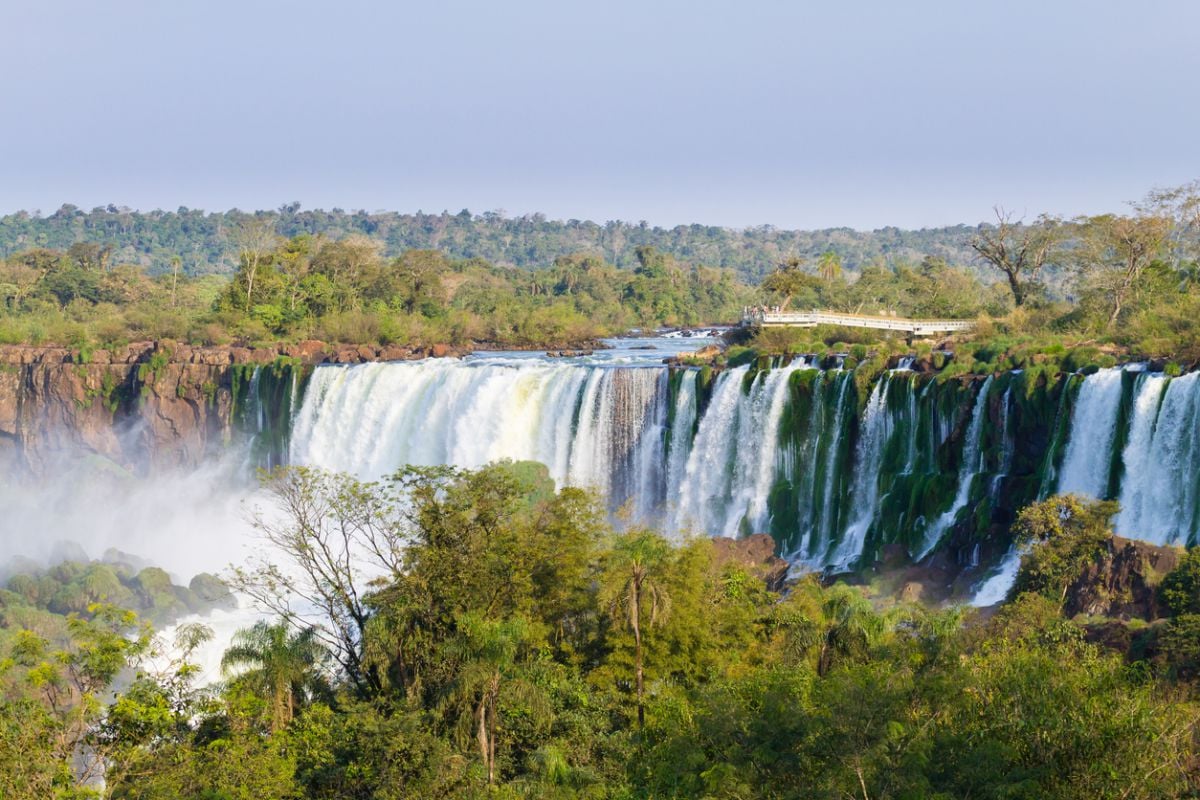
Iguazu Falls comprises approximately 275 individual waterfalls spread across nearly three kilometers, making it one of the most spectacular waterfall systems on the planet. This UNESCO World Heritage Site straddles the border between Argentina and Brazil, with each side offering a distinct view.
The Argentine side immerses visitors through walkways that bring you remarkably close to the cascading water. The Devil’s Throat, where fourteen falls converge into a thundering abyss, stands as the highlight. Learn more about how to get to Iguazu Falls from both sides.
The surrounding Atlantic Forest teems with wildlife:
- Coatis and colorful toucans
- Over 2,000 plant species
- Butterflies throughout the trails
The falls can be visited year-round, with March-April and August-September offering fewer crowds. Discover more about Iguazu National Park.
What makes the Iberá Wetlands essential for wildlife observation?
The Esteros del Iberá constitute one of the world’s largest freshwater wetlands, second only to Brazil’s Pantanal in the Americas. This vast ecosystem in northeastern Argentina offers exceptional opportunities to observe wildlife in undisturbed natural habitats.
Visitors regularly encounter capybaras (the world’s largest rodents), yacaré caimans basking on riverbanks, and howler monkeys calling from the treetops. Over 350 bird species make this a premier destination for birdwatching enthusiasts.
The wetlands have gained international attention for successful rewilding efforts:
- Jaguars have been reintroduced after decades of absence
- Giant anteaters now roam the grasslands
- Marsh deer populations are recovering
Boat excursions at sunrise provide the best wildlife viewing, when animals are most active and the wetlands glow with soft morning light.
Why should nature enthusiasts visit Mendoza?
Beyond producing Argentina’s celebrated Malbec wines, Mendoza offers striking landscapes where vineyards extend to the base of the snow-capped Andes Mountains. The region combines viticulture with genuine adventure opportunities. Learn more about Argentina’s tastiest red wine.
Aconcagua, the highest peak in the Americas at 6,962 meters, towers over the province. Visitors can trek to base camps for spectacular views without technical climbing skills.
The town of Potrerillos serves as the adventure hub:
- White-water rafting on the Mendoza River
- Horseback riding through Andean foothills
- Hiking trails with mountain panoramas
Visit March through May during harvest season, or September through November for mild temperatures.
What makes Bariloche and the lake district unique?
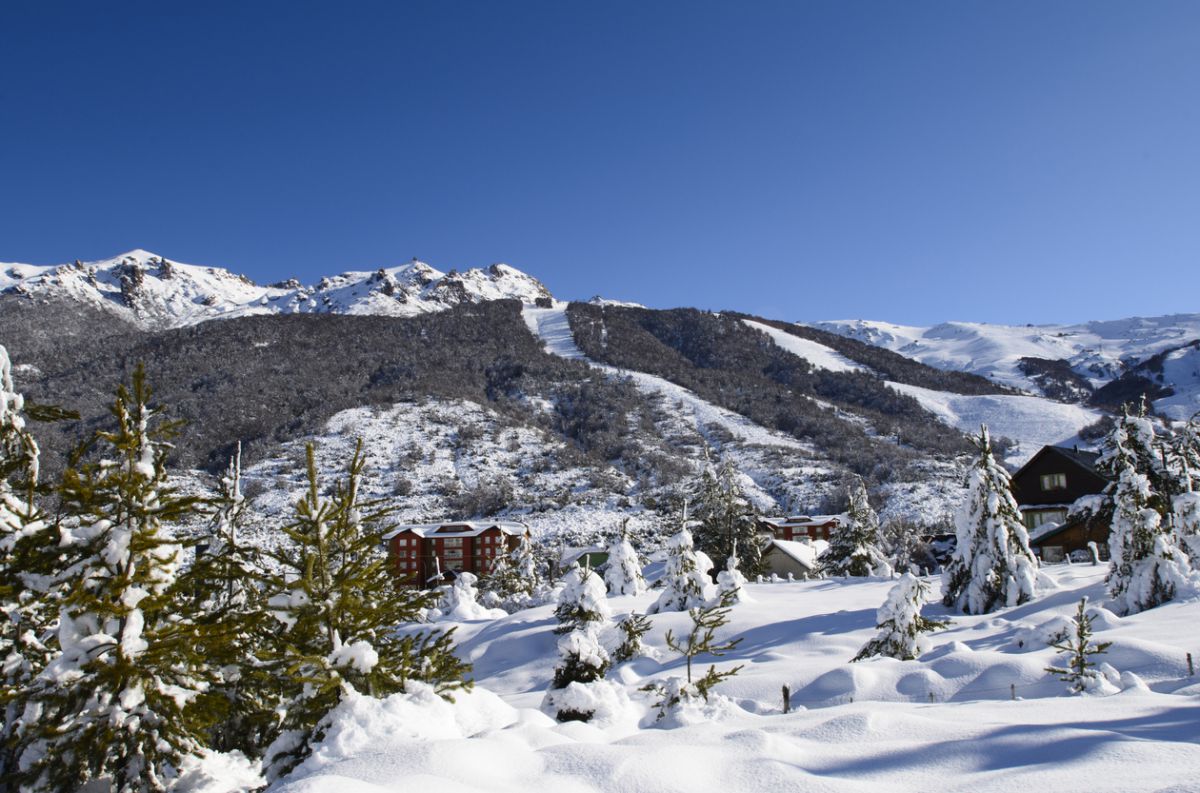
San Carlos de Bariloche anchors Argentina’s lake district, a region of crystalline lakes, ancient Valdivian forests, and Andean peaks often compared to the Swiss Alps. The area offers exceptional hiking, skiing, and wildlife viewing throughout the year.
The famous Seven Lakes Route connects Bariloche with San Martín de los Andes through scenic landscapes where each lake displays different hues, from turquoise to deep emerald.
Nahuel Huapi National Park protects this ecosystem:
- Ancient arrayán forests with cinnamon-colored bark
- Andean condors soaring above peaks
- Huemul deer in remote valleys
Winter transforms Bariloche into South America’s premier ski destination, while summer brings ideal conditions for kayaking and multi-day treks.
Why is Valdés Peninsula essential for wildlife encounters?
The Valdés Peninsula is Argentina’s premier wildlife sanctuary and a UNESCO World Heritage Site. This remote Atlantic coast reserve hosts an extraordinary concentration of marine mammals and seabirds throughout the year.
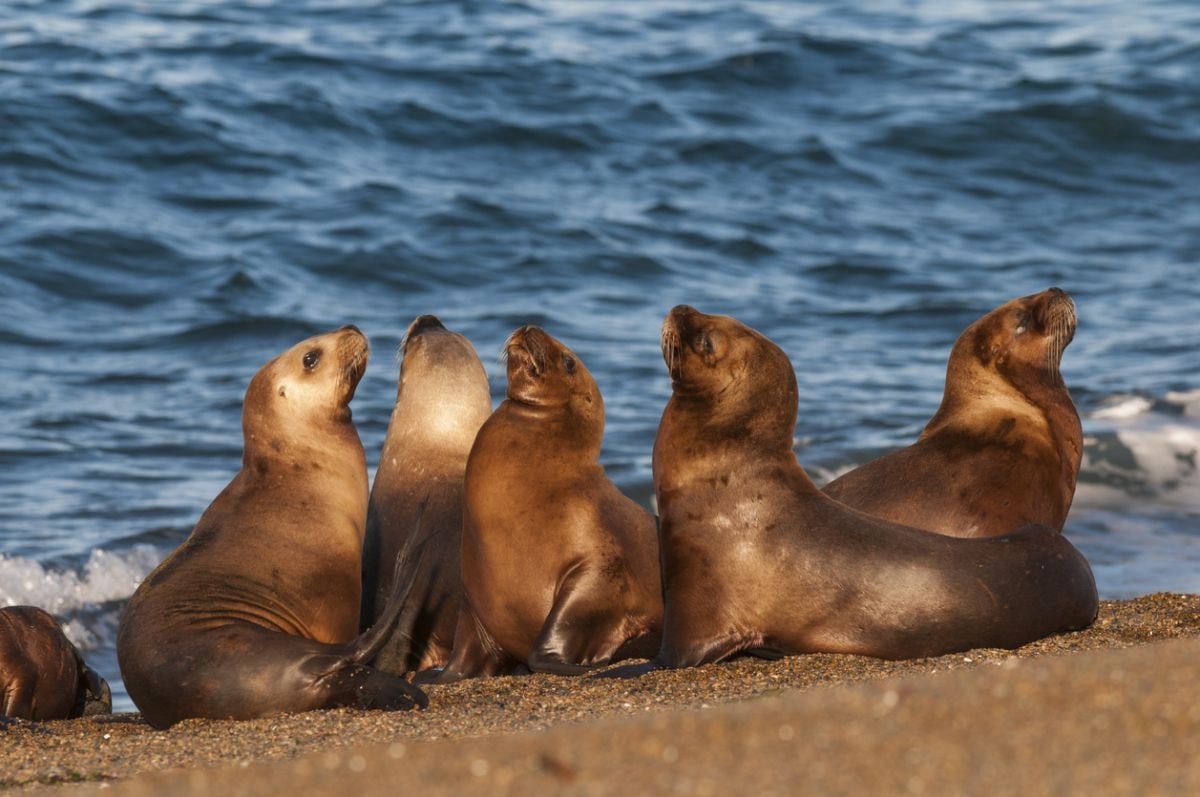
Southern right whales arrive between June and December to calve in protected bays. March and April bring orcas that intentionally beach themselves to hunt sea lion pups along the shoreline. Plan your visit with our guide on where to go whale watching in Patagonia.
The peninsula’s wildlife calendar includes:
- Elephant seals (breeding August-October)
- Magellanic penguins (September-March)
- Sea lion colonies and 180+ bird species
Puerto Madryn serves as the gateway, while staying overnight on the peninsula allows for early morning wildlife viewing.
What can visitors experience at Monte Fitz Roy?
Monte Fitz Roy’s dramatic granite spires rising 3,359 meters above the Patagonian steppe make El Chaltén Argentina’s official trekking capital. The town offers world-class hiking trails accessible to various skill levels, with no park entrance fees required.
The trek to Laguna de los Tres rewards hikers with Argentina’s most iconic view: Fitz Roy’s jagged peaks reflected in glacial waters. The Laguna Torre trail offers stunning scenery with views of Cerro Torre’s needle-like summit.
Trail options accommodate different abilities:
- Laguna Capri: moderate half-day hike
- Laguna de los Tres: challenging full-day trek
- Huemul Circuit: multi-day wilderness adventure
The hiking season runs November through March. Weather remains unpredictable, so flexible itineraries are essential. Learn more about the best El Chaltén hiking trails.
Why is Perito Moreno Glacier Argentina’s most iconic attraction?
Perito Moreno is one of the few advancing glaciers in the world, measuring 30 kilometers long and 5 kilometers wide. Unlike most glaciers that require difficult access, Perito Moreno offers extraordinary viewing from extensive walkways just 400 meters from the ice face.
The glacier’s constant movement produces frequent calving events, with massive ice chunks breaking away into Lago Argentino. This ongoing spectacle makes every visit unique.
Los Glaciares National Park offers several experiences:
- Walkway viewing platforms at multiple levels
- Boat excursions approaching the ice wall
- Ice trekking directly on the glacier surface
El Calafate serves as the base for visits. Unlike many glacial destinations, Perito Moreno remains accessible year-round. Plan your trip with our Perito Moreno Glacier tour guide.
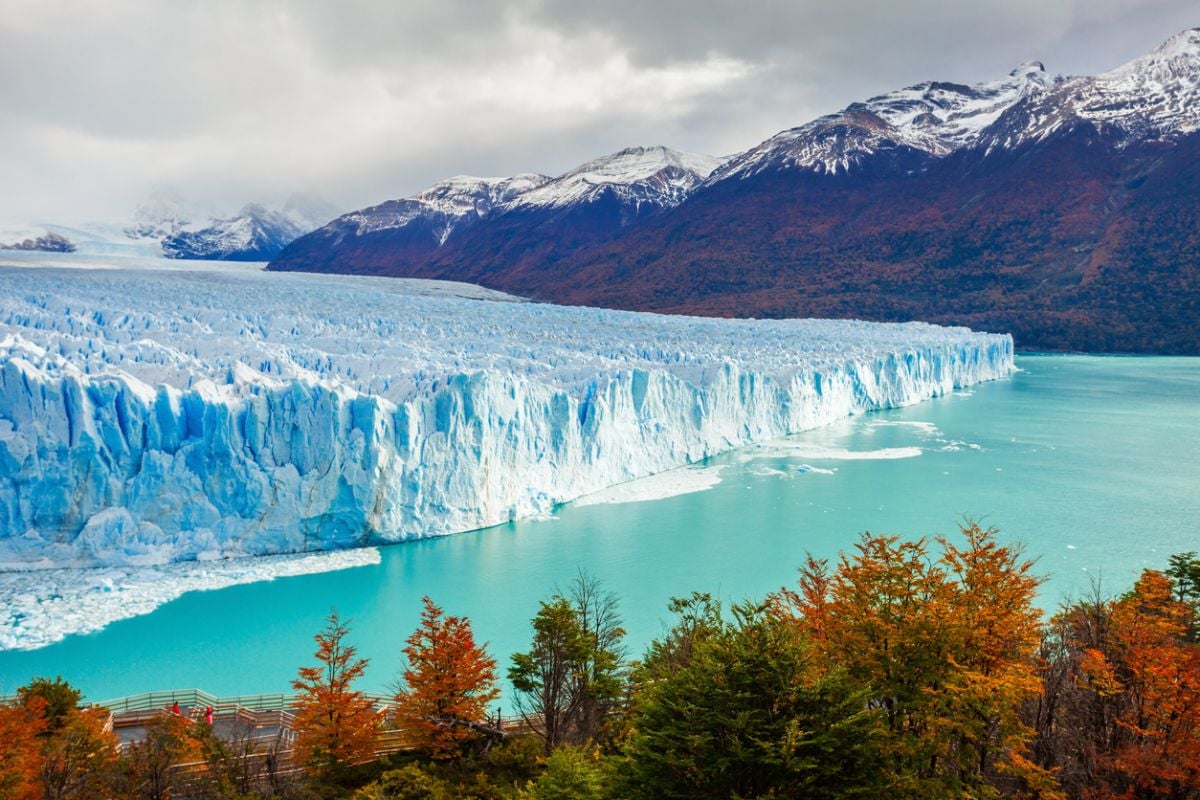
The enormous Perito Moreno is arguably the most amazing of the Argentina attractions listed here. This massive 30-kilometer ice formation is the world’s third-largest freshwater reserve and the largest glacier in the Los Glaciares National Park. Additionally, for those wanting to get up close to Perito Moreno, ice trekking excursion are available.
What makes Ushuaia and Tierra del Fuego unmissable?
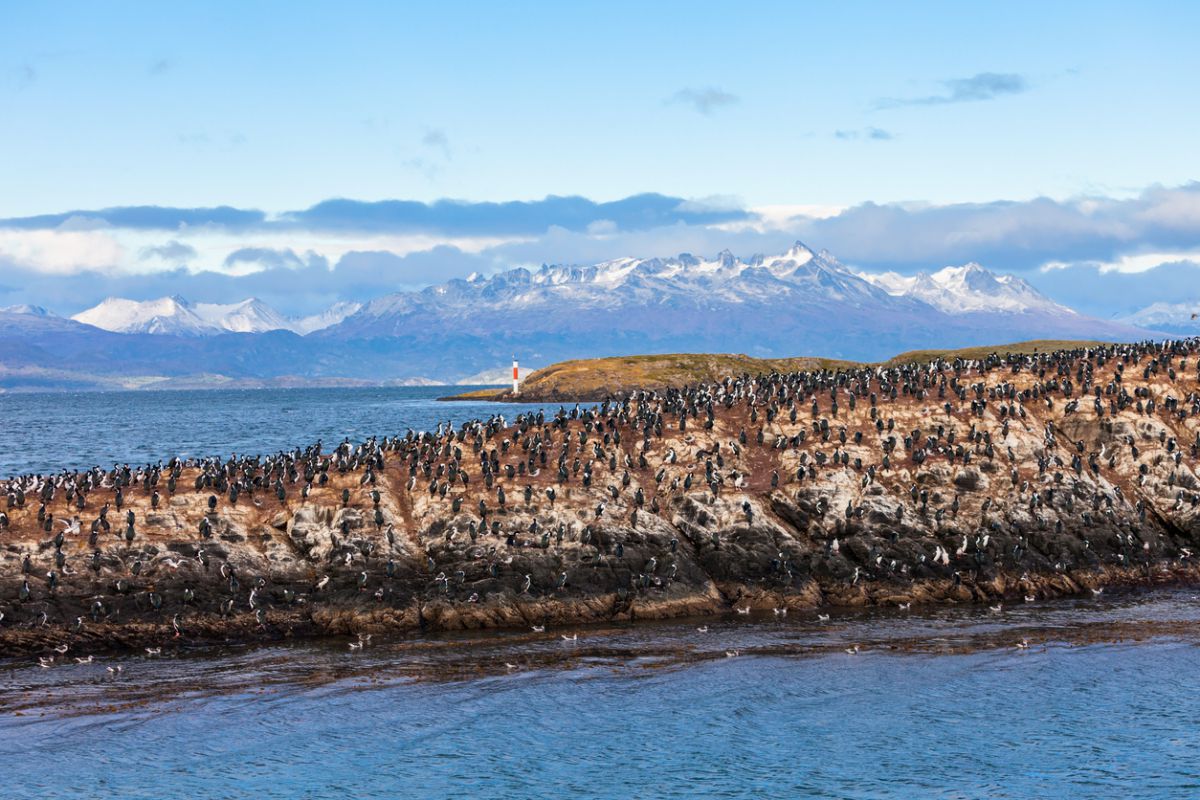
Ushuaia, being one of the southernmost cities in South America, serves as the gateway to Tierra del Fuego National Park, the Beagle Channel, and Antarctica. Here, subantarctic forests meet dramatic coastlines in landscapes shaped by ice and wind.
Tierra del Fuego National Park protects the southern tip of the Andes, where mountains descend into the sea. Trails wind through lenga forests, past beaver dams, and along rocky coastlines.
Key experiences include:
- Hiking in Tierra del Fuego National Park
- Visiting the End of the World lighthouse
- Penguin colony excursions
The Beagle Channel offers wildlife encounters with sea lions, cormorants, and Magellanic penguins on rocky islands offshore.
Why explore the Beagle Channel and Cape Horn by expedition cruise?
Argentina has many attractions to see. One of them, as we have seen, is Ushuaia. Ushuaia acts as a gateway to other adventures beyond Argentina, such as visiting Cape Horn in Chile. The Beagle Channel offers a unique maritime passage through Patagonian fjords, past remote glaciers and penguin colonies, to Cape Horn. Many of these landscapes remain largely inaccessible by land and are best experienced from the water.
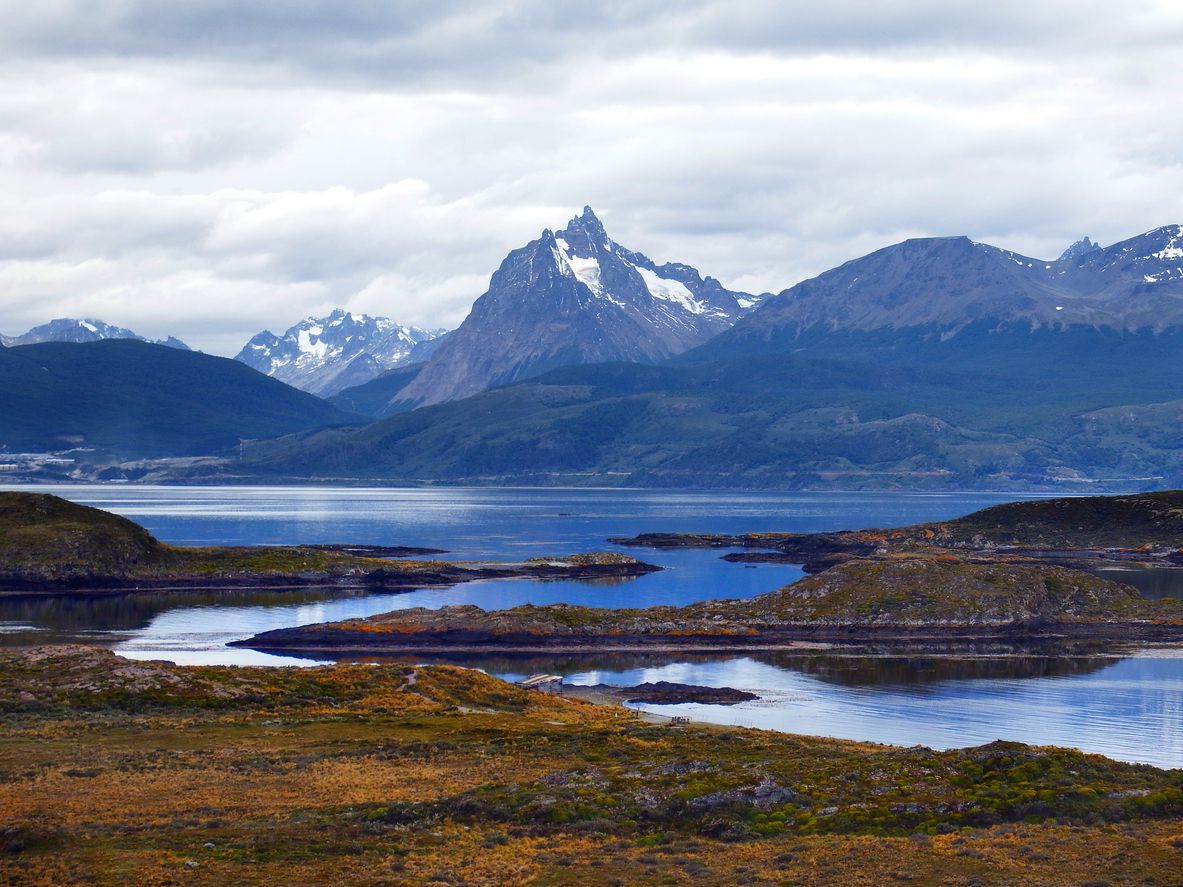
Charles Darwin sailed these waters aboard HMS Beagle in the 1830s. Today, expedition cruises follow similar routes, visiting sites like Wulaia Bay where Darwin went ashore. Learn more about cruise maritime voyages that retrace Darwin’s route.
Cruise itineraries typically include:
- Zodiac excursions to glaciers and wildlife
- Guided hikes in remote wilderness areas
- Cape Horn landing (weather permitting)
This maritime approach covers vast distances while sleeping comfortably, waking each morning to new landscapes.
What other natural treasures await in Argentina?
Beyond these headline destinations, Argentina harbors lesser-known gems for adventurous travelers. The northwest features rainbow-colored mountains, ancient indigenous cultures, and high-altitude wine regions around Cafayate.
The Salinas Grandes salt flats create surreal white landscapes at 3,400 meters. Los Alerces National Park protects ancient alerce trees over 2,600 years old.
Experience Patagonia’s crown jewels with Australis
Argentina’s natural attractions span from tropical waterfalls to glacial fjords, offering distinct experiences for wildlife and nature lovers.
For travelers seeking Patagonia’s most remarkable landscapes, an Australis expedition cruise offers access to places beyond the reach of roads. With over 30 years navigating these waters, Australis combines comfortable accommodations with expert guides, daily excursions, and itineraries connecting Ushuaia, the Beagle Channel, Cape Horn, and pristine glaciers. Explore Patagonia itineraries and begin planning your adventure.
Frequently asked questions
What is the best time to visit Argentina’s natural attractions?
The optimal timing depends on your destination: Patagonia is best October through March, while Iguazu Falls can be visited year-round. For whale watching at Valdés, visit June through December.
How many days do I need for Argentina’s top nature destinations?
A comprehensive trip requires two to three weeks. For Patagonia (El Calafate, El Chaltén, Ushuaia), plan seven to ten days. Adding Iguazu requires two to three additional days.
What wildlife can I see in Argentina?
Argentina offers exceptional viewing: southern right whales and orcas at Valdés Peninsula, Magellanic penguins along the Beagle Channel, Andean condors in Patagonia, and capybaras in Iberá Wetlands.
Can I combine multiple attractions in one trip?
Yes, Argentina has excellent domestic flight connections with Buenos Aires as the main hub. For Patagonia, expedition cruises offer an efficient way to visit multiple remote destinations.

Originally published on the 22 July 2018. Updated on 25 March 2026.

You may also like…

No comments yet
There are no comments on this post yet.
Leave a comment