
The world’s oceans hold more mysteries than outer space, according to many marine scientists. The Atlantic and Pacific Oceans are the two largest bodies of water on Earth, together covering half of our planet’s surface and forming its largest habitat. Scientists estimate between 700,000 and one million species of marine life inhabit these depths, with over 91% remaining unclassified. Yet for all their scientific complexity, there’s one question that captivates travelers and ocean enthusiasts alike: where exactly do these two mighty oceans meet?
The answer lies at one of the most legendary maritime locations on Earth—Cape Horn. But the story doesn’t end with simple geography. The meeting point of these oceans involves fascinating science, historical drama, and natural phenomena that continue to inspire wonder and sometimes confusion, especially thanks to viral videos circulating online.
Where exactly do the Atlantic and Pacific Oceans meet?
The Atlantic and Pacific Oceans officially meet at Cape Horn, Chile, where an imaginary line runs through the Drake Passage between South America and Antarctica. This 800-kilometer-wide strait represents one of the most challenging maritime passages on Earth.
Cape Horn itself is a rugged headland located at the southernmost tip of Tierra del Fuego, an archipelago that marks the end of the South American continent. For centuries, this remote point represented the edge of the known world—a place where brave sailors either made history or met their fate. The Dutch navigator Jacob le Maire became the first to successfully round the cape in 1616, opening a new route for maritime exploration.
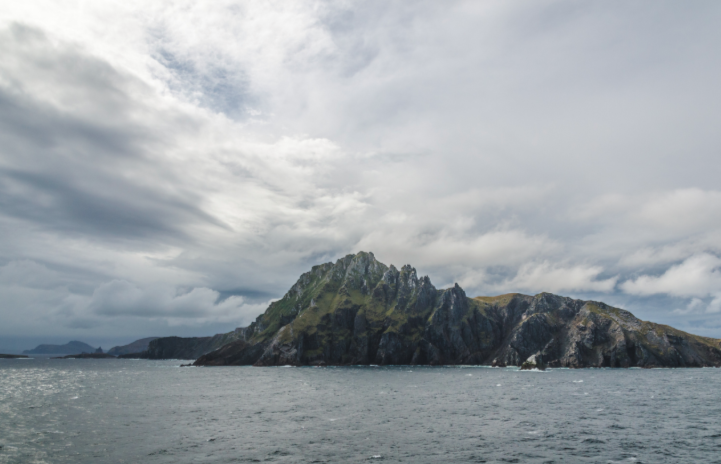
The Drake Passage, named after Elizabethan explorer Sir Francis Drake, stretches from Cape Horn to the Antarctic Peninsula. This body of water doesn’t just mark where two oceans meet; it’s where the Atlantic, Pacific, and Southern Oceans converge, creating a unique marine environment. The passage serves as a crucial corridor for ocean currents, particularly the Antarctic Circumpolar Current, which flows uninterrupted around Antarctica.
Today, modern expedition vessels navigate these waters regularly, allowing passengers to witness this legendary meeting point firsthand. The journey offers opportunities to observe remarkable wildlife colonies, including seals basking on rocky outcrops and several species of penguins that call this harsh environment home. The experience of rounding Cape Horn remains one of the most sought-after achievements for both sailors and expedition travelers.
Do the Atlantic and Pacific Oceans actually mix?
Yes, the Atlantic and Pacific Oceans do mix, but not in the dramatic way viral videos suggest. The mixing process is gradual and influenced by differences in water density, salinity, temperature, and powerful ocean currents that collide at this point.
To the naked eye, you couldn’t distinguish where one ocean ends and the other begins. Much like political borders between countries, the boundary between oceans is essentially a geographical designation rather than a physical line. However, beneath the surface, significant differences exist between these two massive bodies of water.
Why the mixing looks different at Cape Horn
The Atlantic Ocean contains higher salt concentrations than the Pacific, making its water denser. This salinity difference affects how the waters interact when they meet. When denser, saltier water encounters less dense water, they don’t immediately blend together. Instead, the denser water tends to sink beneath the lighter water, creating layers that mix gradually over time and distance.
Temperature variations also play a crucial role. The waters around Cape Horn experience extreme temperature fluctuations depending on the season and specific currents. These temperature differences contribute to the complex mixing patterns observed in the region.
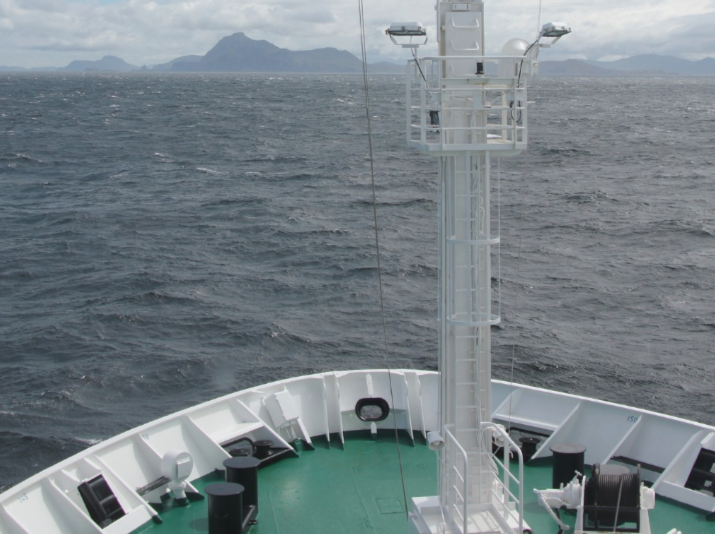
The Antarctic Circumpolar Current, the world’s largest ocean current, flows from west to east through the Drake Passage. This powerful current, combined with waters flowing up from the Pacific side and down from the Atlantic side, creates the turbulent conditions Cape Horn is famous for. The collision of these different currents generates the rough seas that have challenged mariners for centuries.
The science behind ocean water density
Ocean water density depends primarily on two factors: salinity and temperature. Saltier water is denser, and colder water is also denser than warmer water. These density differences create invisible boundaries called haloclines—layers where salinity changes rapidly with depth.
When waters of different densities meet, they form stratified layers rather than mixing immediately. Imagine pouring honey into water; they eventually mix, but the process takes time because of their density differences. Ocean waters behave similarly, though the differences are more subtle.
At Cape Horn, the mixing process occurs over considerable distances. While the waters do eventually blend, the area where they first meet remains distinct in terms of chemical composition, temperature, and biological characteristics. Marine life in this transition zone must adapt to conditions influenced by both ocean systems.
The truth about viral “oceans don’t mix” videos
The famous viral videos showing a clear division between blue and green waters don’t actually show the Atlantic and Pacific meeting. Scientists have confirmed these videos capture glacial sediment from Alaskan rivers flowing into the Gulf of Alaska, creating a temporary visual boundary.
These videos, which have circulated widely on social media with captions claiming to show where the oceans meet, actually capture a completely different phenomenon. When rivers carrying heavy loads of sediment from glacial melt meet ocean water, they create a visible contrast. The river water appears lighter in color due to suspended sediment, while the ocean water appears darker blue or green.
This phenomenon, known as a sediment plume, can extend for miles into the ocean before the sediment eventually settles or disperses. The videos typically show the Gulf of Alaska, where several major rivers carrying glacial sediment flow into the ocean. The visual effect is dramatic but temporary—strong winds, tides, and currents eventually mix the waters completely.
The confusion arises because people searching for information about where oceans meet encounter these videos and assume they’re seeing the Atlantic-Pacific boundary. In reality, Cape Horn’s ocean meeting point looks quite different—there’s no visible color division, just open water extending in all directions.
Similar sediment plumes occur worldwide wherever rivers meet oceans, particularly in areas with glacial activity. Other examples include the mouths of the Amazon River, the Mississippi River, and various Alaskan waterways. Each creates its own visual boundary between river and ocean water.
How to experience where the Atlantic and Pacific Oceans meet
The best way to witness where the Atlantic and Pacific Oceans meet is through expedition cruises that approach Cape Horn. With Australis Cruises you can even visit Cape Horn. Modern vessels with experienced crews make it possible to safely explore these legendary waters while enjoying comfort and expert guidance.
The optimal time to visit Cape Horn is during the Austral summer, from November to March. During these months, daylight hours extend significantly, seas tend to be somewhat calmer (though never entirely predictable), and wildlife activity peaks. You’ll have the best chances of spotting seabirds, penguins, seals, and even whales during this period.
An expedition to Cape Horn typically includes:
- Cape Horn landing: weather permitting, passengers can step ashore at this legendary point and visit the lighthouse and monument
- Wildlife observation: opportunities to see, on the way to cape horn, albatrosses, petrels, penguins, and marine mammals in their natural habitat
- Historical interpretation: expert guides share stories of legendary voyages and the maritime history of the region
- Scenic cruising: through the Beagle Channel and along the coasts of Tierra del Fuego
The experience of approaching Cape Horn combines adventure with natural beauty. Standing on deck as your vessel navigates these waters, you’re following a route taken by explorers, traders, and adventurers for centuries. The sense of being at the literal edge of the world, where two great oceans meet, creates lasting memories.
Weather can affect any Cape Horn expedition. Responsible operators prioritize safety, which sometimes means altering itineraries based on conditions. However, even if seas prevent a Cape Horn landing, the journey through these waters and the experience of navigating the Drake Passage offer their own rewards.
Conclusion
The Atlantic and Pacific Oceans meet at Cape Horn, where the Drake Passage creates one of Earth’s most challenging maritime corridors. While these oceans do mix, the process is gradual and influenced by differences in salinity, temperature, and powerful converging currents. The visible divisions shown in viral videos actually depict glacial sediment in Alaska, not the ocean boundary at Cape Horn.
This legendary meeting point represents more than just geographical significance. It’s where human history, natural science, and raw natural power converge. The waters around Cape Horn have shaped maritime history, challenged the greatest sailors, and continue to captivate anyone who ventures to this remote corner of the world.
Experience the legendary meeting point of the Atlantic and Pacific Oceans with Australis expedition cruises. Our expert-guided voyages through Patagonian waters bring you to Cape Horn with the safety and comfort that comes from decades of regional expertise. Navigate the same routes as legendary explorers while enjoying modern amenities and the insights of our experienced crew. Witness the wildlife, landscapes, and maritime history of Tierra del Fuego from vessels specifically designed for these challenging waters. Discover our Patagonia itineraries and experience where two oceans collide.
Frequently asked questions
Can you see the line where the Atlantic and Pacific meet?
No, there’s no visible line. The border between oceans is a geographical designation, not a physical boundary. While the waters differ in salinity, temperature, and current patterns, they appear seamless to the human eye when viewed from above.
Which ocean is rougher, the Atlantic or Pacific at Cape Horn?
The roughness at Cape Horn results from both oceans colliding, making it difficult to distinguish which is rougher. The Drake Passage is consistently challenging due to the convergence of the Antarctic Circumpolar Current with waters from both oceans, creating some of the most turbulent seas on the planet.
How deep is the water where the Atlantic and Pacific meet?
The Drake Passage reaches depths of approximately 3,400 to 4,800 meters (11,000 to 15,700 feet), making it one of the deepest oceanic passages in the world. These depths contribute to the complex current patterns and marine ecosystems found in the region.
What wildlife can you see on your way to Cape Horn?
Cape Horn’s waters and shores host diverse wildlife including several penguin species (Magellanic, Gentoo, and Chinstrap), southern elephant seals, fur seals, albatrosses, petrels, cormorants, and various whale species including humpback and orca. The nutrient-rich waters where the oceans meet support abundant marine life.
Why is Cape Horn considered a sailor’s milestone?
Rounding Cape Horn represents one of sailing’s greatest achievements due to the extreme conditions and historical significance. For centuries, it was the only route between the Atlantic and Pacific for large vessels, and thousands of sailors perished attempting the passage. Successfully navigating Cape Horn remains a prestigious accomplishment in maritime circles.

Originally published on the 14 December 2018. Updated on 31st December 2025.

You may also like…


No comments yet
There are no comments on this post yet.
Leave a comment