
Patagonia spans two countries and covers over 400,000 square miles, making air travel essential for most visitors. Whether you’re planning to explore glaciers in Argentina or navigate the Chilean fjords, understanding your airport options is the first step to a successful trip. This guide covers everything you need to know about airports in Chile Patagonia and Patagonia Argentina airports, from international connections to choosing the right gateway for your adventure.

How do I get to Patagonia from the United States?
To reach Patagonia from the United States, you’ll first fly to either Santiago, Chile (SCL) or Buenos Aires, Argentina (EZE), then take domestic flights south to Patagonian airports. Flight times from major US hubs average 8-10 hours, with most departures in the evening arriving the following morning.
Your journey begins at one of two international gateways. Santiago’s Comodoro Arturo Merino Benítez International Airport (SCL) serves as the entry point for Chilean Patagonia, while Buenos Aires offers two airports: Ezeiza International Airport (EZE) for international arrivals and Aeroparque Jorge Newbery (AEP) for most domestic departures.
Major US cities offer multiple weekly flights to both capitals. Miami, Dallas, Atlanta, Los Angeles, and New York provide direct service through carriers including American Airlines, United, Delta, and LATAM. The overnight schedule means minimal jet lag, as there’s little time difference between North America’s east coast and South America.
Plan carefully when booking connections. Allow at least one overnight in Santiago or Buenos Aires before continuing south. This buffer prevents missed connections due to delays and gives you time to adjust after your international flight. If landing in Buenos Aires, transferring between EZE and AEP requires minimum five hours to account for the distance between airports and check-in requirements.
What are the main airports in Chilean Patagonia?
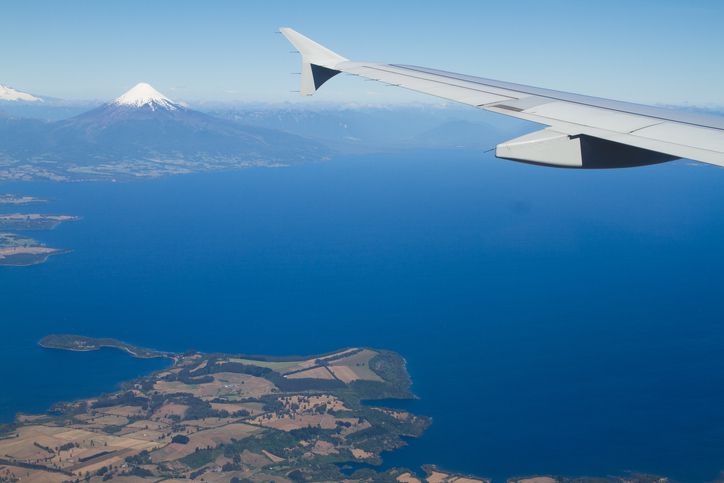
Chilean Patagonia has four main airports: Puerto Montt (PMC) -which is in the north limit of Patagonia-, Balmaceda (BBA), Puerto Natales (PNT), and Punta Arenas (PUQ). Each serves different regions and attractions, from the Lake District in the north to Torres del Paine in the south, with varying frequencies and seasonal availability.
Puerto Montt Airport (PMC)
Puerto Montt’s Aeropuerto Internacional El Tepual sits at the northern edge of Chilean Patagonia. This busy airport serves as your gateway to the Lake District, Puerto Varas, Chiloé Island, and the starting point of the legendary Carretera Austral scenic highway.
Flight details:
- Flight time from Santiago: 1 hour 45 minutes
- Frequency: 12 daily flights
- Airlines: LATAM, Sky Airline
The airport’s excellent connectivity makes it ideal for travelers beginning a northbound journey through Patagonia or those focusing on the lakes, volcanoes, and forests of this temperate region.
Balmaceda Airport (BBA)
Officially named Aeródromo Balmaceda, this airport serves the Aysén region and the gateway city of Coyhaique. Located 55 kilometers from Coyhaique (approximately one-hour drive), it’s your access point to some of Patagonia’s most remote and pristine landscapes.
Flight details:
- Flight time from Santiago: 2 hours 20 minutes
- Frequency: 2 daily flights from Santiago, plus connections from Puerto Montt
- Airlines: LATAM, Sky Airline
Balmaceda is essential for reaching the Carretera Austral, the stunning Marble Cathedral, and Patagonia National Park. The drive from the airport along this scenic route showcases the wild beauty that makes this region unique.
Puerto Natales Airport (PNT)
The Aeropuerto Teniente Julio Gallardo offers the closest access to Torres del Paine National Park, Patagonia’s most famous landmark. However, its limited seasonal service means most travelers rely on Punta Arenas instead.
Flight details:
- Flight time from Santiago: 3 hours 10 minutes
- Frequency: Seasonal only (December-February), 2 flights weekly
- Airlines: LATAM
When available, this airport cuts travel time significantly for Torres del Paine visitors. Outside high season, Punta Arenas remains your best option, located about three hours from the park by road.
Punta Arenas Airport (PUQ)
The Aeropuerto Presidente Carlos Ibáñez del Campo serves Chilean Patagonia’s largest city. This year-round hub offers the most reliable access to southern Patagonia and serves as the embarkation point for expedition cruises to the Chilean fjords and Cape Horn.
Flight details:
- Flight time from Santiago: 3 hours 25 minutes aprox.
- Frequency: 5 daily flights
- Airlines: LATAM, Sky Airline
Punta Arenas’s strategic location makes it invaluable for accessing Torres del Paine, connecting to Ushuaia via scenic bus routes, and boarding expedition vessels that navigate the channels and glaciers inaccessible by land.

What are the main Patagonia Argentina airports?
Argentine Patagonia airports include Bariloche (BRC), Trelew (REL), El Calafate (FTE), and Ushuaia (USH). These airports connect from Buenos Aires with frequent daily flights, serving the country’s most iconic Patagonian destinations from the northern lakes to the world’s southernmost city.
Bariloche Airport (BRC)
The Aeropuerto Teniente Luis Candelaria serves the charming alpine-style city of Bariloche in northern Argentine Patagonia. Surrounded by Nahuel Huapi National Park, this region offers year-round activities from hiking and water sports to world-class skiing.
Flight details:
- Flight time from Buenos Aires: 2 hours 20 minutes
- Frequency: 10 daily flights
- Airlines: Aerolíneas Argentinas, LATAM
Bariloche is perfect for those exploring Argentina’s Lake District or planning to cross into Chile through the scenic Lakes Crossing route. The city’s infrastructure and numerous flights make it one of Patagonia’s most accessible destinations.
Trelew Airport (REL)
Known officially as Aeropuerto Almirante Marcos A. Zar, Trelew serves the Welsh settlement region and provides access to the Valdés Peninsula, one of the world’s premier marine wildlife viewing areas.
Flight details:
- Flight time from Buenos Aires: 2 hours
- Frequency: 3 daily flights
- Airlines: Aerolíneas Argentinas
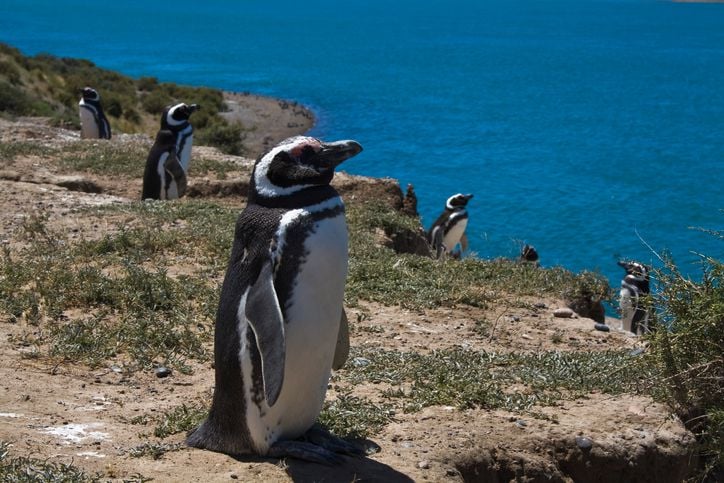
From Trelew, reach Puerto Madryn and the Valdés Peninsula to witness Southern Right whales (June-December), massive elephant seal colonies, and the Magellanic penguin colony at Punta Tombo, one of the largest in South America.
El Calafate Airport (FTE)
The Aeropuerto Comandante Armando Tola is your gateway to Los Glaciares National Park and the magnificent Perito Moreno Glacier. This modern airport handles increasing visitor numbers drawn to Argentina’s most famous glacier.
Flight details:
- Flight time from Buenos Aires: 3 hours 15 minutes
- Frequency: 6 daily flights
- Airlines: Aerolíneas Argentinas, LATAM
El Calafate also provides access to El Chaltén, Argentina’s trekking capital, located three hours north. The town’s dramatic landscapes and hiking trails to Mount Fitz Roy attract outdoor enthusiasts worldwide. Seasonal flights connect El Calafate to Ushuaia and Bariloche during peak months.
Ushuaia Airport (USH)
The Aeropuerto Internacional Malvinas Argentinas serves the world’s southernmost city. Ushuaia’s unique location on the Beagle Channel makes it both a destination itself and a departure point for Antarctica expeditions and Patagonian cruises.
Flight details:
- Flight time from Buenos Aires: 3 hours 35 minutes
- Frequency: 3 daily flights
- Airlines: Aerolíneas Argentinas, LATAM
Beyond serving as a cruise embarkation point, Ushuaia offers access to Tierra del Fuego National Park, the historic End of the World Train, and Cerro Castor, South America’s southernmost ski resort.
Which Patagonia airport should I fly into?
The best airport depends on your destination. For Torres del Paine, fly to Punta Arenas (PUQ). For glaciers and El Chaltén, choose El Calafate (FTE). For expedition cruises through Chilean fjords and Cape Horn, Punta Arenas and Ushuaia are your primary gateways.
Quick decision guide:
- Torres del Paine National Park → Punta Arenas (PUQ), 3-hour drive to park entrance
- Perito Moreno Glacier → El Calafate (FTE), 1.5-hour drive to glacier
- Lake District exploration → Puerto Montt (PMC) for Chile, Bariloche (BRC) for Argentina
- Carretera Austral adventure → Puerto Montt (PMC) or Balmaceda (BBA)
- Valdés Peninsula wildlife → Trelew (REL), access to Puerto Madryn
- El Chaltén hiking → El Calafate (FTE), 3-hour scenic drive north
- Ushuaia and Tierra del Fuego → Ushuaia (USH)
- Fjord expedition cruises → Punta Arenas (PUQ) or Ushuaia (USH)
Important consideration for cross-border travel: If visiting both countries, book domestic flights separately rather than as international connections. Direct flights between Chilean and Argentine Patagonian cities are limited and expensive. Ground transportation via bus or rental car often provides better value for shorter distances, like Puerto Natales to El Calafate.
Can I fly between Chilean and Argentine Patagonia?
Direct flights between Chilean and Argentine Patagonia are limited and expensive since they’re considered international flights. Most travelers fly back to Santiago or Buenos Aires to connect, or use ground transportation to cross the border, which often proves faster and more economical for nearby destinations.
Available flight connections:
- Santiago ↔ Buenos Aires (multiple daily direct flights)
- Santiago ↔ Bariloche (direct service available)
- Limited seasonal routes between Patagonian cities
Ground crossing alternatives often make more sense:
- Puerto Natales to El Calafate: 5-hour bus journey through stunning landscapes
- Punta Arenas to Ushuaia: 12-hour scenic route crossing Tierra del Fuego
- Bariloche to Puerto Varas: Famous Lakes Crossing, combining buses and ferry rides through spectacular scenery
These overland routes transform necessary transportation into memorable experiences. The journey between Puerto Natales and El Calafate, for instance, crosses wide pampas with views of distant mountains, while the Punta Arenas to Ushuaia route includes a Strait of Magellan ferry crossing.
Cost-saving insight: Flying through Santiago typically costs less than routing through Buenos Aires when heading to southern Patagonia. Chilean airlines compete aggressively on pricing, and the country’s tourism infrastructure generally offers better value in this region.
Whether you’re flying into Punta Arenas or Ushuaia, these airports serve as gateways to unforgettable Patagonian experiences. Understanding your options helps you plan efficiently and make the most of your time in this vast region.
For travelers seeking to explore the remote Chilean fjords, massive glaciers, and legendary Cape Horn, Australis expedition cruises offer a unique way to discover regions completely inaccessible by land or air. Our carefully designed itineraries departing from Punta Arenas and Ushuaia combine expert navigation of the world’s most challenging waters with comfortable accommodations and authentic exploration. While airports connect you to Patagonia’s gateway cities, only an expedition cruise reveals the pristine channels, towering glaciers, and wildlife-rich islands that define this region’s true character. Explore our expedition routes and discover why sailing remains the most immersive way to experience Patagonia’s wilderness.
Frequently asked questions about Patagonia airports
Do I need a visa to fly to Chile or Argentina?
US citizens don’t need visas for tourist stays up to 90 days in either Chile or Argentina. Ensure your passport validity extends at least six months beyond your travel dates. Both countries require passports in good condition without significant damage to biographical pages. We recommend that, when making the reservation, you verify with the local government if there are existing visas accepted by both countries. The policies can change overtime.
How early should I arrive at Patagonian airports?
Arrive two hours before domestic flights and three hours before international flights. Some smaller airports like Puerto Natales may have shorter check-in times, but allowing extra time prevents stress, especially during peak season when lines lengthen.
Are there direct flights from the US to Patagonia?
No direct flights exist from the US to Patagonian airports. All travelers must connect through Santiago or Buenos Aires. This routing actually benefits most itineraries, as spending a day or two in these world-class cities enriches your South American experience before heading to remote wilderness.
What’s the cheapest month to fly to Patagonia?
May through August offers the lowest flight prices, though many tourist services reduce operations during southern winter. March-April and September-November provide the sweet spot of good weather, moderate prices, and fewer crowds than peak summer months.
Can I rent a car at Patagonian airports?
Yes, major airports like Punta Arenas, El Calafate, Bariloche, and Puerto Montt have car rental services from international companies. Smaller airports like Puerto Natales and Trelew offer limited options, so advance booking proves essential, especially during high season.
Originally published on the 27 January 2017. Updated on 27 January 2026.


You may also like…

No comments yet
There are no comments on this post yet.
Leave a comment