
Planning a journey through Patagonia’s hiking capitals requires careful logistics. The route from Puerto Natales in Chile to El Chaltén in Argentina connects two of South America’s most spectacular trekking destinations, but there’s no direct transportation between them. This comprehensive guide covers everything you need to know about making this cross-border journey, including costs, schedules, and practical tips to ensure a smooth trip.
Quick answer: Puerto Natales to El Chaltén at a glance
There is no direct bus connection between Puerto Natales and El Chaltén. All travelers must transfer in El Calafate, Argentina. The complete journey takes approximately 8 hours of travel time, plus a layover of 1-4 hours in El Calafate, depending on your connection schedule. Total costs range from $40-60 USD for both bus segments combined.
Route comparison:
- Bus via El Calafate: 8 hours total travel time | $40-60 | Best for budget-conscious travelers
- Rental car: 5 hours direct | $110-190 total (including fuel) | Best for groups seeking flexibility
- Bus + flight combo: 6 hours | $150+ | Best for time-sensitive itineraries
*This amount is approximate and corresponds to data collected in December 2025.
The bus route via El Calafate remains the most popular choice for independent travelers, offering a good balance of affordability and comfort while taking in Patagonia’s dramatic landscapes along the way.
Why travel from Puerto Natales to El Chaltén?
Puerto Natales: gateway to Torres del Paine
Puerto Natales sits on the edge of the Última Esperanza Sound in Chilean Patagonia, serving as the primary access point for Torres del Paine National Park. This charming waterfront town combines authentic Patagonian character with all the services trekkers need, from outdoor equipment shops to cozy restaurants serving local lamb. The town itself offers stunning views across the sound toward the distant mountains, making it an attractive base even on rest days.
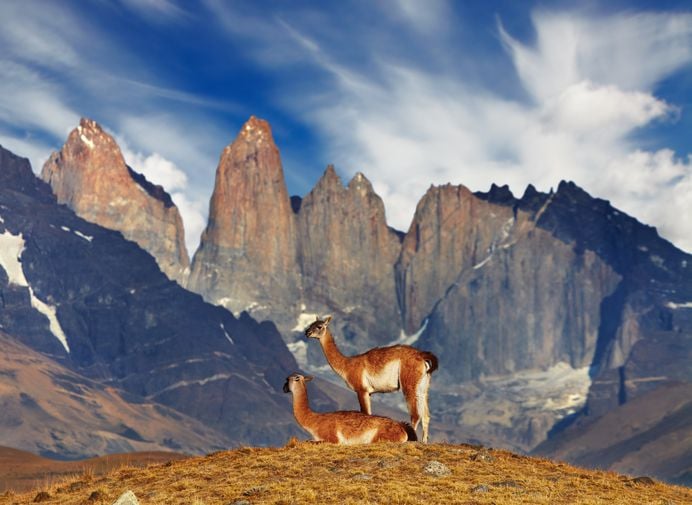
Torres del Paine, located just 70 miles north, ranks among the world’s most spectacular national parks. The iconic granite towers that give the park its name rise dramatically above turquoise lakes, while the Southern Patagonian Ice Field feeds massive glaciers like the Grey Glacier. Whether you’re tackling the famous W Trek or O Circuit, or simply taking day hikes, the scenery here defines what many imagine when they think of Patagonia’s landscape.
El Chaltén: Argentina’s trekking capital
Across the border in Argentina, El Chaltén earned its reputation as the hiking capital of the country. This small mountain village, founded only in 1985, exists primarily to serve trekkers exploring Los Glaciares National Park. Despite its remote location and relatively recent establishment, El Chaltén offers a surprising range of amenities, from craft breweries to comfortable lodges, all set against a backdrop of soaring peaks.
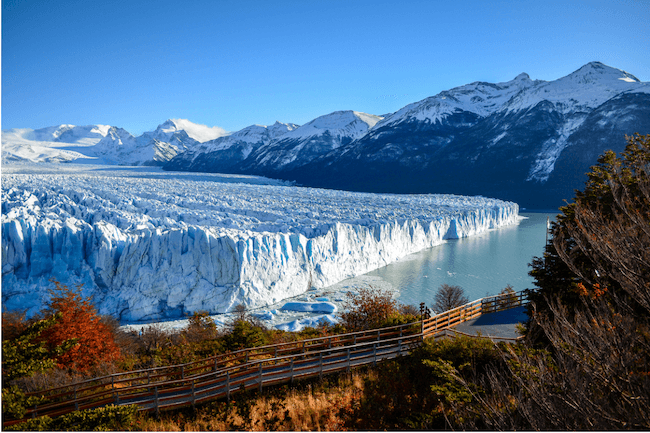
The main attractions here are Mount Fitz Roy and Cerro Torre, two of Patagonia’s most photographed peaks. These jagged mountains offer some of the continent’s most rewarding day hikes, with trails leading to stunning viewpoints like Laguna de los Tres. The town also provides access to the massive Perito Moreno Glacier, located about 3 hours south near El Calafate, making it an essential stop on any Patagonian adventure.
How to get from Puerto Natales to El Chaltén by bus (recommended)
Step 1: Puerto Natales to El Calafate
The first leg of your journey covers 156 miles (251 km) from Puerto Natales to El Calafate, Argentina. This route crosses from Chilean into Argentine Patagonia through the Paso Río Don Guillermo border crossing, offering expansive views of the Patagonian steppe and distant mountain ranges along the way.
Journey details:
- Duration: 5 hours (including border crossing procedures)
- Cost: $25-35 USD per person
- Main operators: Cootra, Turismo Zaahj, and Bus Sur
- Typical departures: Morning slots (7:30-8:30 AM) and early afternoon (1:00-2:00 PM)
Booking: Reserve online through company websites or at the Puerto Natales bus terminal
The border crossing typically adds 30-60 minutes to your journey time. Chilean and Argentine customs officials will check your passport and luggage, particularly for prohibited food items. Most nationalities don’t require a visa for either country, but verify your specific requirements before traveling. The buses are generally comfortable with reclining seats and occasional rest stops, though bringing snacks and water is advisable.
Step 2: El Calafate to El Chaltén
After your layover in El Calafate, the second segment takes you 137 miles (220 km) north to El Chaltén. This route follows the scenic Ruta 40 through striking Patagonian landscapes, with views of Lago Argentino and increasingly dramatic mountain scenery as you approach the Andes foothills.
Journey details:
- Duration: 3 hours
- Cost: $15-25 USD per person
- Main operators: Chaltén Travel, Taqsa, and Cal-Tur
- Typical departures: Multiple daily services (morning, midday, and afternoon)
- Booking: Available online or at El Calafate bus terminal
The El Calafate terminal has limited luggage storage facilities, so most travelers keep their bags with them during the layover. If you have several hours between connections, consider visiting the town center (about 15 minutes walk) for lunch or to explore the artisan shops along the main street. However, always keep track of your departure time, as buses typically don’t wait for late passengers.
Total journey summary and practical tips
Your complete journey from Puerto Natales to El Chaltén requires two separate bus tickets and typically takes 9-12 hours door-to-door, depending on your layover duration. During peak season (November through March), buses fill quickly, so booking both segments at least 2-4 weeks in advance is strongly recommended to secure your preferred departure times.
Essential tips for a smooth journey:
- Carry Argentine pesos for purchases in El Calafate and El Chaltén, as many smaller businesses don’t accept cards or US dollars
- Download offline maps before departing, as mobile coverage can be spotty in remote areas
- Pack snacks and water for the journey, especially if your layover is short
- Dress in layers, as temperatures can vary significantly between the warm bus interior and chilly rest stops
- Keep important documents (passport, bus tickets) easily accessible for border procedures
- Confirm your El Calafate to El Chaltén departure time upon arriving, as schedules occasionally change
Alternative route: traveling by rental car
Driving from Puerto Natales to El Chaltén offers more flexibility and cuts your travel time significantly. The direct route via Ruta 40 covers approximately 180 miles (290 km) and takes about 5 hours without stops, saving you the detour through El Calafate and the hassle of coordinating bus connections.
Driving route details:
- Duration: 5 hours direct
- Distance: 180 miles (290 km)
- Estimated fuel cost: $30-40 USD
- Daily rental cost: $80-150, depending on vehicle type
- Total cost for solo traveler: $110-190
- Best value: Groups of 3-4 people splitting costs ($30-50 per person)
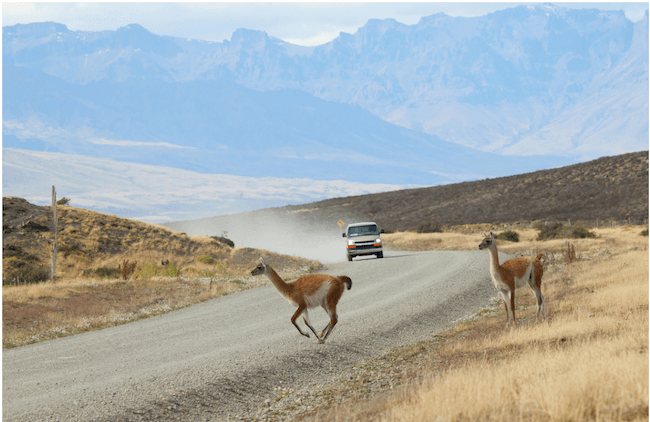
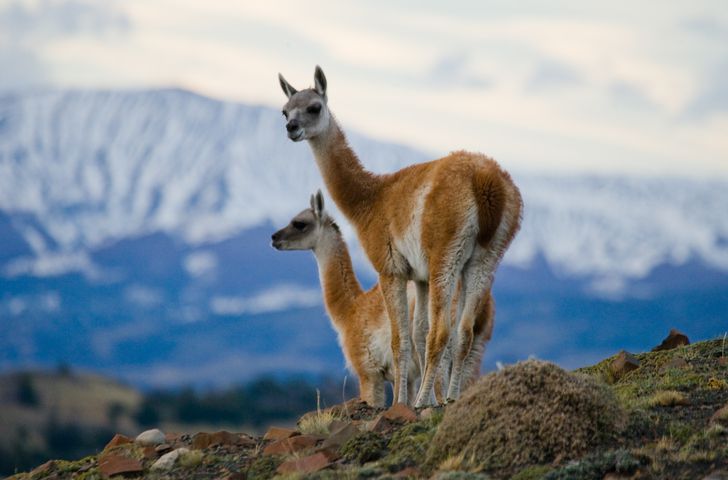
The scenic drive takes you through stunning Patagonian landscapes, with opportunities to stop at viewpoints, photograph guanacos grazing on the steppe, and explore at your own pace. However, renting a car for cross-border travel requires additional paperwork and permissions from the rental company. Not all agencies allow their vehicles to cross into Argentina, so you’ll need to specifically request a cross-border authorization when booking.
Essential requirements for cross-border driving:
- Valid driver’s license and international driving permit (recommended)
- Credit card for vehicle deposit (typically $500-1000)
- Special permission documentation from rental company for crossing into Argentina
- Vehicle registration papers and rental contract to show at the border
- Valid passport for all passengers
- Return the car in Argentina or pay hefty one-way drop-off fees (often $200-500)
Keep in mind that road conditions can vary significantly with weather, and services are limited along remote stretches. Ensure your rental includes a spare tire, tools, and roadside assistance coverage. Winter driving (May-September) requires experience with snow and ice conditions.
Border crossing essentials: Chile to Argentina
The Paso Río Don Guillermo border crossing operates year-round, connecting Chilean and Argentine Patagonia. Understanding the requirements and restrictions beforehand helps avoid delays and ensures a smooth transition between countries, allowing you to focus on enjoying your Patagonian adventure.
Required documents:
- Valid passport with at least 6 months remaining validity
- Tourist entry card (provided at the Argentine border)
- Proof of onward travel (bus ticket to El Chaltén or return flight)
- Accommodation confirmation in Argentina (occasionally requested)
Prohibited items – strictly enforced:
- Fresh fruits, vegetables, and plant materials
- Meat products, dairy, and eggs (including packed sandwiches)
- Seeds, nuts, and agricultural products
- Honey and other bee products
- Uncleaned hiking boots or camping equipment with visible soil
Argentine and Chilean customs takes biosecurity seriously to protect their agricultural industry. Officers may search bags thoroughly, and violations can result in significant fines. Eat any fresh food before reaching the border, and clean your hiking gear of any dirt or plant matter. Most travelers pass through without issues by following these simple rules and declaring items honestly when asked.
Border crossing procedures:
- Chilean exit checkpoint: Present passport, complete exit formalities
- Travel approximately 10 miles through no-man’s land
- Argentine entry checkpoint: Present passport, receive entry stamp, potential bag inspection (15-30 minutes)
- Continue to El Calafate
Total border crossing time typically ranges from 30-60 minutes, though delays can occur during peak hours in summer. Buses wait for all passengers during the customs process, so don’t worry about being left behind.
Experience Patagonia from a different perspective
The overland journey from Puerto Natales to El Chaltén offers an authentic Patagonian adventure, connecting you with the region’s dramatic landscapes and frontier spirit. This route works beautifully for travelers who enjoy hiking and trekking, providing access to two of South America’s premier trekking destinations.
However, if you’re looking to experience the spectacular scenery of Chilean Patagonia without the logistics of multiple bus connections and border crossings, consider exploring the region’s pristine fjords and glaciers by sea. Australis expedition cruises navigate through the remote channels and waterways of Tierra del Fuego, reaching dramatic landscapes that remain inaccessible by road—including towering glaciers, secluded wildlife colonies, and historic sites that tell the story of the region’s maritime heritage. So, it’s not just about simplifying the journey: traveling by sea allows you to experience Patagonia from an entirely different perspective, sailing through places that cannot be reached in any other way and giving you access to unique landscapes that are completely different from the typical and well-known highlights of the region.
Our carefully designed itineraries combine the comfort of modern expedition vessels with expert naturalist guides who bring Patagonia’s natural and cultural history to life. After days spent exploring pristine wilderness, you’ll return to warm accommodations, excellent cuisine, and the company of fellow travelers who share your passion for discovery. From Ushuaia, the world’s southernmost city, to the legendary waters around Cape Horn, an Australis voyage offers a comprehensive perspective on one of Earth’s last great wildernesses.
Discover our Patagonia expedition itineraries and find out how you can experience the magic of Chilean Patagonia with the ease and comfort that comes from decades of expertise navigating these remarkable waters. View our complete itineraries and plan your journey here.
Frequently asked questions
Is there a direct bus from Puerto Natales to El Chaltén?
No, there are no direct bus services between Puerto Natales and El Chaltén. All routes require a transfer in El Calafate, Argentina. The total journey takes approximately 8 hours of travel time plus a layover of 1-4 hours in El Calafate, depending on your connection schedule.
How much does the bus from Puerto Natales to El Chaltén cost?
The total cost for both bus segments combined ranges from $40-60 USD. The first leg from Puerto Natales to El Calafate typically costs $25-35, while the second segment from El Calafate to El Chaltén costs $15-25. Prices vary slightly by operator and season, as confirmed by booking platforms and traveler forums.
Do I need to book the Puerto Natales to El Chaltén bus in advance?
During peak season (November through March), advance booking is highly recommended, ideally 2-4 weeks ahead. Buses fill quickly during summer, and you’ll want to coordinate your connections to minimize layover time in El Calafate. Shoulder season offers more flexibility, though booking at least a few days ahead remains advisable.
What documents do I need to cross from Chile to Argentina?
You need a valid passport with at least 6 months remaining validity. Most nationalities don’t require a visa for tourism in either Chile or Argentina; however, we recommend double-checking current entry requirements with the relevant authorities in your country of origin, as regulations may change. Upon entering Argentina, you’ll receive a tourist entry card at the border. Avoid bringing fresh food, fruits, vegetables, or meat products, as these are prohibited at the Argentine customs checkpoint.
Avoid bringing fresh food, fruits, vegetables, or meat products, as these are prohibited at the Argentine customs checkpoint.
Can I store luggage in El Calafate between buses?
El Calafate’s bus terminal has limited luggage storage facilities, and these can be unreliable or full during peak season. Most travelers keep their bags with them during the layover. If you have several hours between buses, many cafes and restaurants near the terminal don’t mind if customers leave small bags while they explore briefly, though always ask permission first.
*All prices, routes, schedules, and other information published in this article are based on data collected in December 2025 and are subject to change over time.

Originally published on 27 June 2019. Updated on the 31 December 2025.
You may also like…
No comments yet
There are no comments on this post yet.
Leave a comment