
Argentina is home to some of the most fascinating wildlife in South America, spread across a territory of approximately 1.07 million square miles (2.78 million km²). From the subtropical jungles of Misiones to the windswept coastlines of Patagonia and the glacial channels of Tierra del Fuego, this country hosts over 375 mammal species, more than 1,038 bird species, and a remarkable diversity of marine life. Whether you are drawn to the sight of whales breaching off the Atlantic coast or penguins waddling along remote shores, this guide covers the animals in Argentina that every wildlife-loving traveler should know about, and where to find them.

What animals are native to Argentina?
Argentina ranks among the most biodiverse countries in the world, with 15 continental eco-regions, two marine zones, and over 33 national parks protecting its natural heritage. Its wildlife ranges from large predators like pumas and jaguars to enormous rodents, camelids, marine mammals, and one of the richest bird populations on the planet.
The country’s varied geography creates distinct wildlife zones. Northern Argentina harbors subtropical species such as jaguars, howler monkeys, and caimans. The central Pampas are home to rheas and the Pampas deer. Southern Patagonia and Tierra del Fuego offer guanacos roaming the steppe, condors circling overhead, and penguin colonies lining the coast. Argentina’s national animal is the rufous hornero, a small ovenbird recognized for its resilience and distinctive mud nests.
Which land mammals can you spot across Argentina?
Argentina’s land mammals include some of the most recognizable species in South America. From the largest cat in the Americas to rodents that look like small deer, the variety is remarkable, and many of these animals can be observed in accessible national parks and reserves.
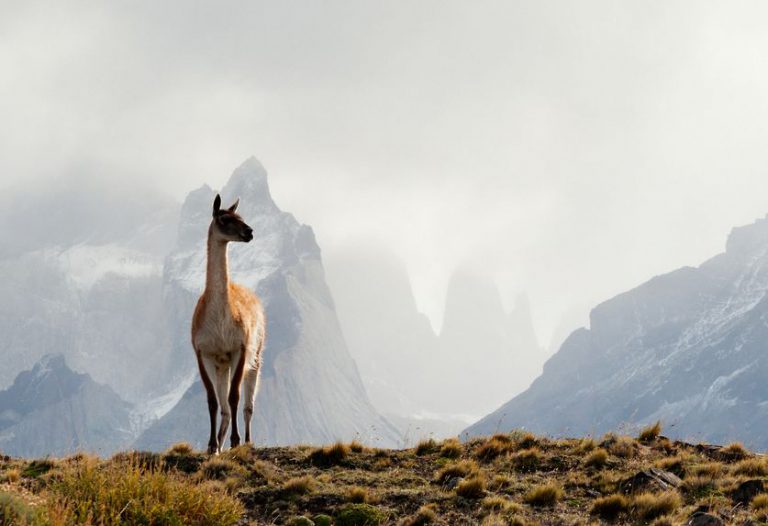
- Guanaco: the most iconic camelid of Patagonia, closely related to the llama. Guanacos live in herds across the Patagonian steppe and Tierra del Fuego, where they graze on grasslands and shrublands. They are frequently spotted along hiking trails and across the southern fjords. In nearby Chile, an estimated 1,500 guanacos inhabit Torres del Paine National Park alone.
- Puma: Patagonia’s largest predator and one of the most sought-after wildlife sightings in Argentina. In Chile, puma tracking tours in Torres del Paine offer the best chances of seeing this elusive cat, particularly around Lake Sarmiento and Laguna Azul at dawn and dusk.
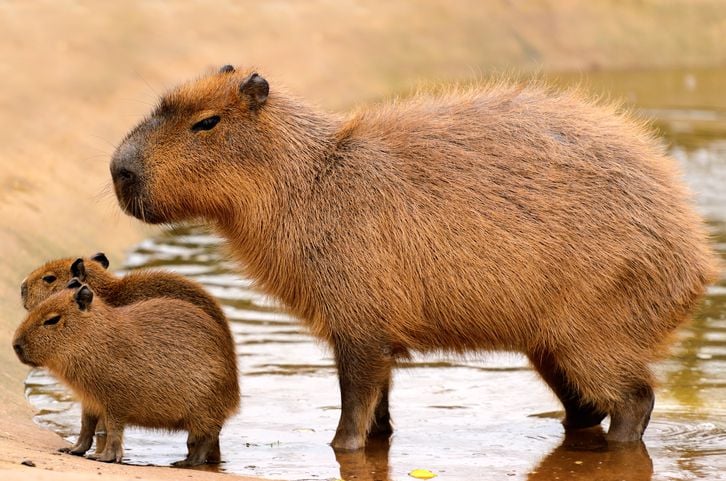
- Capybara: the world’s largest rodent, weighing up to 146 lb (66 kg). Capybaras live along waterways in the Iberá Wetlands of northern Corrientes Province, where they gather in groups of around 20 individuals.
- Patagonian mara: a large, long-legged rodent native to Argentina that resembles a cross between a rabbit and a small deer. Currently listed as near threatened on the IUCN Red List, maras inhabit grasslands from central Argentina to the Patagonian steppe in the south.
- Jaguar: the largest feline in the Americas, found in the subtropical forests of Misiones Province and the Iberá Wetlands, where active conservation programs are working to reestablish a stable population through reintroduction efforts.
What marine wildlife can you see along Argentina’s coast?
Argentina’s Atlantic coastline and the channels of southern Patagonia are home to an extraordinary concentration of marine wildlife. For travelers arriving by sea, these encounters are among the most memorable moments of any trip.
- Southern right whales: these massive marine mammals migrate to the sheltered bays around the Valdés Peninsula, a UNESCO World Heritage Site, between June and December each year to breed and nurse their calves. Puerto Madryn and Puerto Pirámides are prime viewing locations.
- Magellanic penguins: Argentina hosts some of the largest Magellanic penguin colonies in South America. Punta Tombo in Chubut Province shelters over 200,000 breeding pairs, while in Chile, Isla Magdalena near the Strait of Magellan is another major colony. Smaller populations of rockhopper penguins nest along the Patagonian coast and nearby islands. You can learn more about these species in our guide to Patagonian penguins.
- Elephant seals and sea lions: both species are resident year-round on the Valdés Peninsula. Elephant seal breeding season runs from August to early November, when the beaches fill with pups and territorial males.
- Orcas: a small population hunts along the Valdés coast, known for their remarkable technique of beaching themselves to catch sea lion pups. The best viewing months are September through November.
Which bird species make Argentina a birdwatcher’s paradise?
With more than 1,038 recorded species, Argentina is one of the top birdwatching destinations in the Americas. Its diverse habitats support everything from tiny hummingbirds in the subtropical north to massive condors soaring over the Andes.
- Andean condor: one of the world’s largest flying birds, with a wingspan reaching 10 feet (3 meters). Condors are frequently spotted in Patagonia and the Andes, gliding on thermal currents above valleys and mountain passes.
- Flamingos: three species of flamingo breed in Argentina — Andean, Chilean, and James’s. They gather in large colonies at the salt flats of Salinas Grandes in the Jujuy and Salta provinces. Chilean flamingos also inhabit lakes across southern Argentina, including areas of Tierra del Fuego.
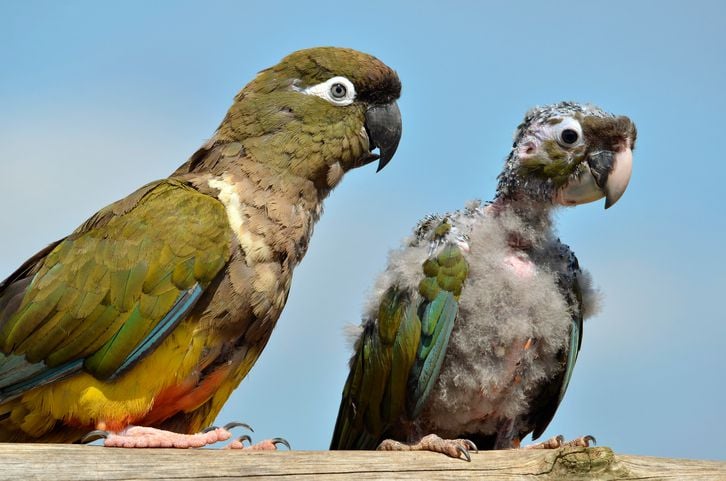
- Burrowing parrot: one of Argentina’s most unusual bird species. The largest known colony nests along the coastal cliffs at El Cóndor in Río Negro Province, where an estimated 180,000 birds dig their nests into soft sandstone. These monogamous parrots migrate north each winter and return to the same nests in spring.
Where are the best places to see animals in Argentina?
Argentina’s wildlife is spread across distinct regions, each offering different species and experiences. The table below summarizes the top destinations for wildlife watching:
|
Region |
Key animals |
Best season |
|
Valdés Peninsula |
Southern right whales, orcas, elephant seals, sea lions, Magellanic penguins |
June–December (whales), year-round (seals) |
|
Patagonia and Tierra del Fuego |
Guanacos, pumas, condors, penguins, sea lions |
October–March |
|
Iberá Wetlands |
Capybaras, jaguars, caimans, over 350 bird species |
Year-round, best April–November |
|
Iguazú National Park |
Jaguars, toucans, howler monkeys, tapirs, coatis |
Year-round |
For a deeper look at Argentina’s top wildlife regions, explore our detailed guide to the best spots for seeing Argentina animals.
What endangered animals live in Argentina?
Several species in Argentina face serious conservation challenges. Understanding these threats adds context for travelers who want to support responsible wildlife tourism.
- Jaguar: classified as near threatened, with small populations surviving in northern Argentina thanks to active reintroduction programs in the Iberá Wetlands.
- Andean mountain cat: one of the rarest wild cats in the world, with fewer than 2,500 individuals remaining in the high Andes.
- Huemul (South Andean deer): an endangered deer found in the Patagonian Andes.
- Hooded grebe: a critically endangered bird found only in southern Argentina’s remote volcanic lakes.
Argentina’s network of over 33 national parks plays a critical role in protecting these species. Visitors who choose responsible tour operators contribute directly to the preservation of these ecosystems.
Many of the most remarkable animals in Argentina inhabit the remote channels and shorelines of southern Patagonia and Tierra del Fuego. These places remain largely inaccessible by road, but they come alive when experienced from the water. With over 30 years navigating these routes, Australis expedition cruises offer an intimate way to encounter this wildlife up close, combining small-ship comfort with expert-guided excursions to some of the most pristine habitats on Earth. Explore the available itineraries and start planning your Patagonian wildlife adventure.
Frequently asked questions
What is the national animal of Argentina?
The rufous hornero is both Argentina’s national bird and national animal. This small ovenbird was chosen for its adaptability, resilience, and cultural significance. It is commonly seen throughout the country and builds distinctive dome-shaped mud nests.
Are there dangerous animals in Argentina?
Argentina has relatively few dangerous species. The Patagonian lancehead is a venomous pit viper found in dry areas, and caimans inhabit the northern wetlands. Pumas are present in Patagonia but rarely pose a threat to humans, especially on guided excursions.
Can you see penguins in Argentina without going to Antarctica?
Yes. Argentina hosts large colonies of Magellanic penguins at Punta Tombo, Isla Magdalena (Chile), and along the Tierra del Fuego coast. Rockhopper penguins also nest on islands through southern Patagonia.
How many animal species live in Argentina?
Argentina hosts approximately 375 mammal species, 1,038 bird species, 338 reptile species, and 162 amphibian species across 15 continental eco-regions and two marine zones.
Is Argentina a good destination for whale watching?
The Valdés Peninsula is one of the world’s premier whale watching destinations. Southern right whales visit its sheltered bays between June and December to breed and nurse their calves. Orcas and other marine mammals can also be observed along the coast.

Originally published on 02. February 2017. Updated on 21. April 2026.

You may also like…

No comments yet
There are no comments on this post yet.
Leave a comment