
Patagonia is home to some of the world’s most spectacular glaciers, but with limited vacation time, how do you decide which ones deserve a spot on your itinerary? This isn’t just another list of beautiful ice formations. It’s a strategic guide designed to help you prioritize intelligently based on your available time, preferred adventure level, and how you want to experience these natural wonders. Whether you have three days or three weeks, whether you prefer comfortable observation or hands-on trekking, this article will help you build a legendary glacier-viewing experience that matches your travel style perfectly.
What makes Patagonia’s glaciers so special?
Patagonia hosts the Southern Patagonian Ice Field, the world’s third-largest freshwater reserve outside of Antarctica and Greenland, feeding dozens of glaciers that calve dramatically into fjords and lakes. These ancient rivers of ice create an ever-changing landscape found nowhere else on Earth, where you can witness the raw power of nature reshaping the terrain right before your eyes.
The Southern Patagonian Ice Field stretches across approximately 13,000 square kilometers, straddling the border between Chile and Argentina. What makes some of these glaciers extraordinary isn’t just their size, but their accessibility. Unlike most of the world’s major glaciers, which require extreme expeditions to reach, many of Patagonia’s most impressive ice formations can be approached comfortably by boat or reached after relatively moderate treks.
These glaciers are living, dynamic systems. Sometimes, you get to hear them before you see them up close—the thunderous crack of calving ice echoes across the water as building-sized chunks break free and crash into the sea. The intense blue color comes from compressed ice that has absorbed all other wavelengths of light over hundreds of years. Some glaciers advance while most retreat, creating an urgent reminder that witnessing these natural wonders shouldn’t be postponed indefinitely.
The best time to visit ranges from October through April, corresponding to the Patagonian spring and summer. December through February offers the longest daylight hours, giving you maximum time for photography and exploration. However, shoulder seasons bring fewer crowds and often more dramatic weather conditions that make for stunning photographs.
How to choose which glaciers in Patagonia to prioritize on your trip?
Your glacier selection should depend on three key factors: available time (whether you have three days, one week, or two weeks), your preferred adventure level (comfortable observation versus active trekking), and access method (boat-based cruise versus land-based excursions).
If you have only three to five days, focus on a combination approach: a multi-day cruise through the Chilean fjords covering three to four boat-accessed glaciers, plus a day visit to El Calafate. This gives you the most comprehensive experience in minimal time. With a week to ten days, you can add Torres del Paine and explore glaciers both from water and on foot. Two weeks or more allows for deeper exploration, including less-visited glaciers and extended trekking opportunities.
Consider your physical fitness honestly. Glacier viewing spans a wide spectrum from zero-exertion boat observation to challenging ice trekking. Cruise-based viewing requires no special fitness—you’ll observe from comfortable ship decks and take optional Zodiac excursions .These optional outings bring you close to certain glaciers, where you’ll find trekking opportunities of varying difficulty levels that give you access to different views and perspectives of them. Viewing platforms like those at Perito Moreno accommodate mobility limitations successfully. Ice trekking and longer approaches demand good cardiovascular health and steady footing on uneven terrain.
The access method significantly impacts your experience. Boat-based exploration reaches remote glaciers inaccessible by land, offering constantly changing perspectives as you approach. Land-based visits provide more control over timing and duration but limit you to glaciers with road access. The smartest itineraries combine both approaches, maximizing the diversity of your glacier encounters without redundant travel days.
The 8 must-see glaciers in Patagonia organized by access and experience
We’ve organized these eight glaciers into strategic categories based on how you’ll experience them, helping you build a logical itinerary that maximizes your time without unnecessary backtracking.
Best Patagonia glaciers to see by boat (cruise-based experiences)
Pía Glacier
Located deep in the Beagle Channel, Pía Glacier is a hanging glacier that descends from the Darwin Mountain Range, creating one of the most dramatic calving displays in Patagonia. What sets Pía apart is the rare opportunity to land via Zodiac and walk through ancient forest right up to the glacier’s edge, where you’re close enough to feel the cold air radiating from the ice face.
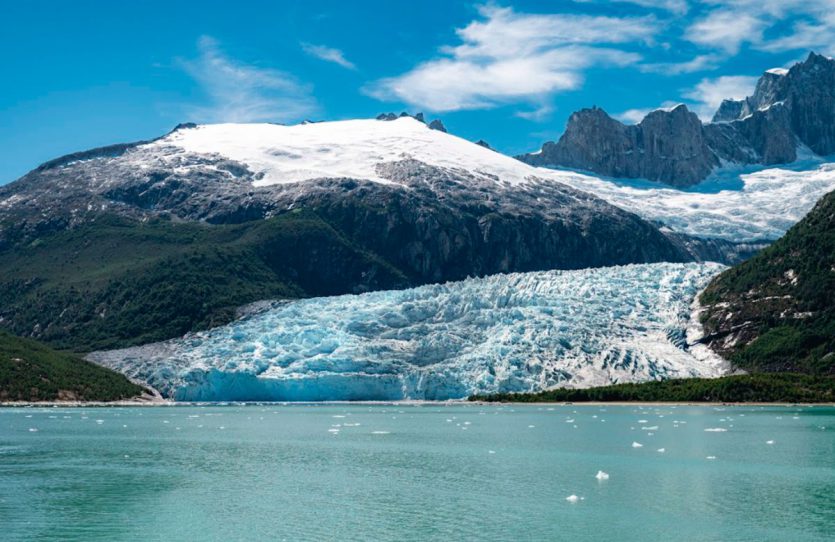
Located deep in the Beagle Channel, Pía Glacier is a hanging glacier that descends from the Darwin Mountain Range, creating one of the most dramatic calving displays in Patagonia. What sets Pía apart is the rare opportunity to land via Zodiac and walk through ancient forest right up to the glacier’s edge, where you’re close enough to feel the cold air radiating from the ice face.The glacier’s position creates a natural amphitheater where calving sounds echo and amplify, making the experience incredibly immersive. Unlike distant glacier viewing, Pía allows you to appreciate the scale—the ice walls tower in front of you, revealing layers of compressed snow from centuries past. This is best for travelers who want the comfort of cruise-based travel combined with intimate glacier encounters.
Águila Glacier
Águila is the hidden gem among boat-accessed glaciers, The glacier features a unique formation creating a complex pattern of crevasses and seracs. The surrounding landscape includes a calm lagoon that mirrors its towering presence and a subantarctic forest that visitors can skirt from the beach before reaching the glacier itself.
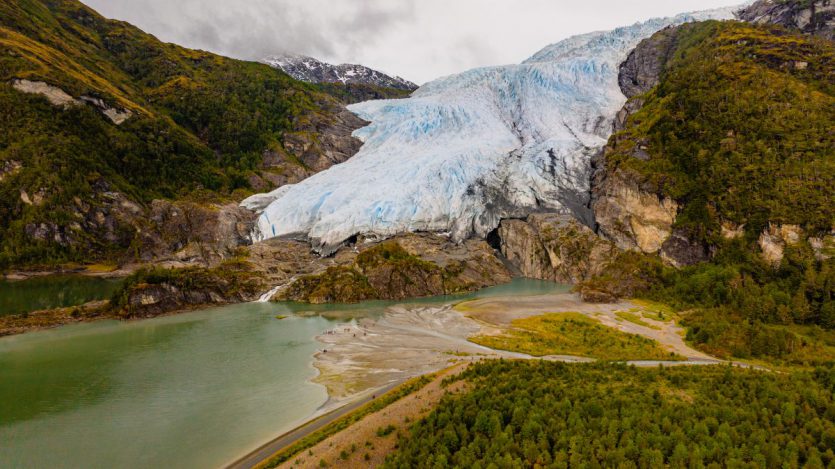
Águila provides a more contemplative experience—you’re more likely to observe in relative solitude, hearing only the sounds of ice, water, and wind. This glacier is perfect for travelers seeking less crowded experiences and those interested in geological diversity beyond just ice formations.
Garibaldi Glacier
Situated in Garibaldi Fjord, this glacier is renowned for its intense blue coloration and nearly vertical ice face rising directly from the water. The fjord’s protected position creates mirror-like water conditions on calm days, offering spectacular photographic opportunities with perfect glacier reflections. Zodiac approaches bring you close enough to see intricate ice formations and occasionally witness calving events.
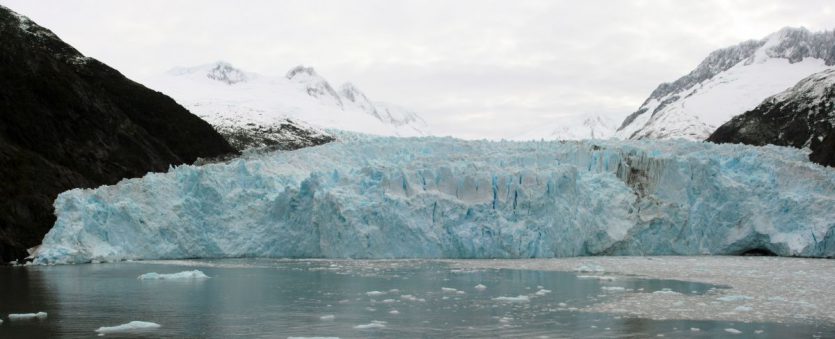
What makes Garibaldi particularly special is its pristine setting—the surrounding mountains and hanging glaciers create a 360-degree panorama of ice. There’s minimal physical exertion required, making it ideal for photographers and travelers who want dramatic scenery without hiking. The zodiac ride itself becomes an adventure as you navigate through floating icebergs of various sizes.
Hidden gems of Patagonia: glaciers worth the extra effort
Grey Glacier
Located in Torres del Paine National Park in Chile, Grey Glacier serves as the dramatic conclusion to the park’s famous W Trek. The glacier extends approximately 6 kilometers in width and can be experienced multiple ways: boat tours from the park’s Grey Lake, kayaking excursions near the ice face, or viewing from trekking routes.
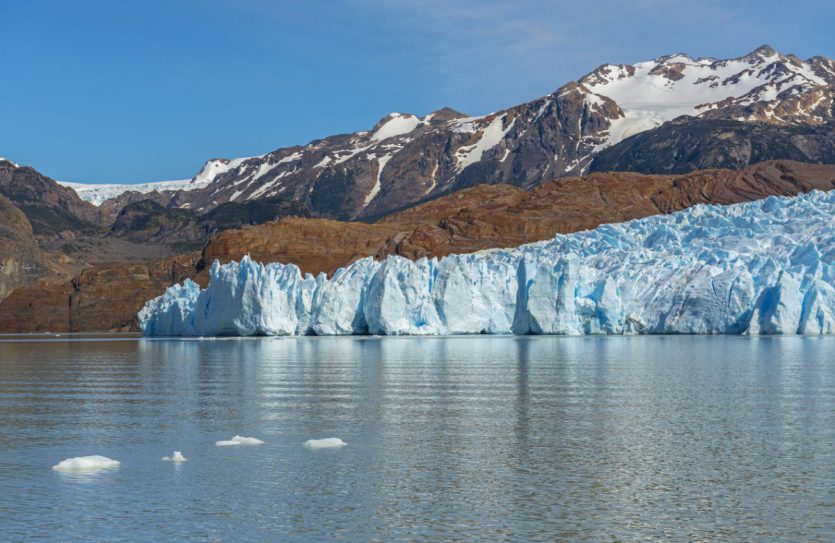
What sets Grey apart is its integration into a larger wilderness experience. Unlike glaciers that are destinations unto themselves, Grey is part of a comprehensive Patagonian adventure including mountains, lakes, and wildlife. The ice caves that occasionally form at the glacier’s edge create unique exploration opportunities when conditions permit, though access varies seasonally.This glacier requires more time commitment—Torres del Paine deserves three to five days minimum. It’s best for travelers with extended itineraries who want glacier experiences combined with world-class trekking and diverse landscapes.
Best Patagonia glaciers for trekking experiences
Porter Glacier
Porter represents the road less traveled in Patagonian glacier viewing. Located in the remote Darwin Range, the journey itself is spectacular, passing through dramatic scenery with waterfalls, wildlife, and pristine landscapes.
The glacier is smaller and less dramatic than others on this list, but that’s precisely its appeal. Porter offers an intimate experience without crowds, combined with excellent opportunities for wildlife observation including condors, and potentially dolphins. The boat ride includes stops at scenic viewpoints, adding natural context to the frozen beauty.
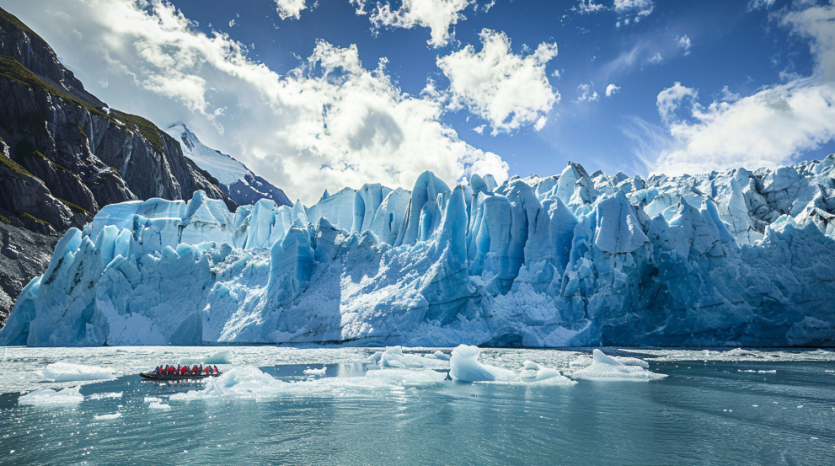
This is ideal for travelers with two weeks or more who want to go beyond the standard glacier circuit, seeking authentic experiences in less-visited locations.
Perito Moreno Glacier
Located in Los Glaciares National Park in Argentina, Perito Moreno is arguably the world’s most accessible major glacier and certainly Patagonia’s most famous. What makes it extraordinary is that it’s one of the few advancing glaciers on the planet, continually pushing forward even as most glaciers worldwide retreat. The glacier’s 5-kilometer-wide face rises 70 meters above Lago Argentino’s surface.
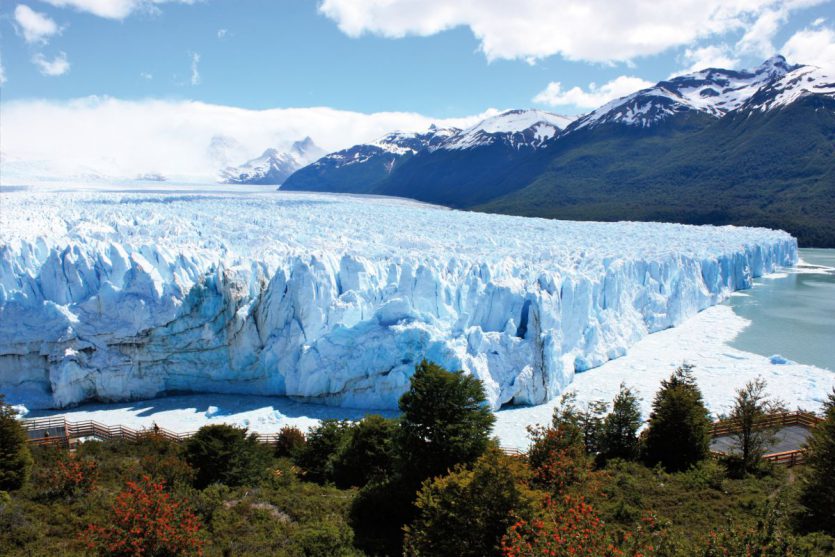
Multiple viewing platforms provide wheelchair-accessible vantage points at varying distances, some as close as 100 meters from the ice face. You’ll witness constant calving activity—chunks of ice regularly break off with thunderous cracks. Beyond observation, Perito Moreno offers tiered ice trekking experiences: mini-trekking (two hours on the ice, moderate fitness required) and big ice (full day, good fitness required).
The glacier is a day trip from El Calafate, making it easy to combine with cruise itineraries. Most visitors spend four to six hours at the site, though you could easily spend an entire day. The experience works for families, first-time glacier visitors, and serious ice enthusiasts alike.
Upsala Glacier
Upsala holds the distinction of being South America’s largest glacier by surface area, covering approximately 595 square kilometers. The scale is genuinely overwhelming—the ice front extends nearly 10 kilometers across, making even distant viewing impressive. However, recent recession has created a massive iceberg field in Lago Argentino, making close approaches challenging.
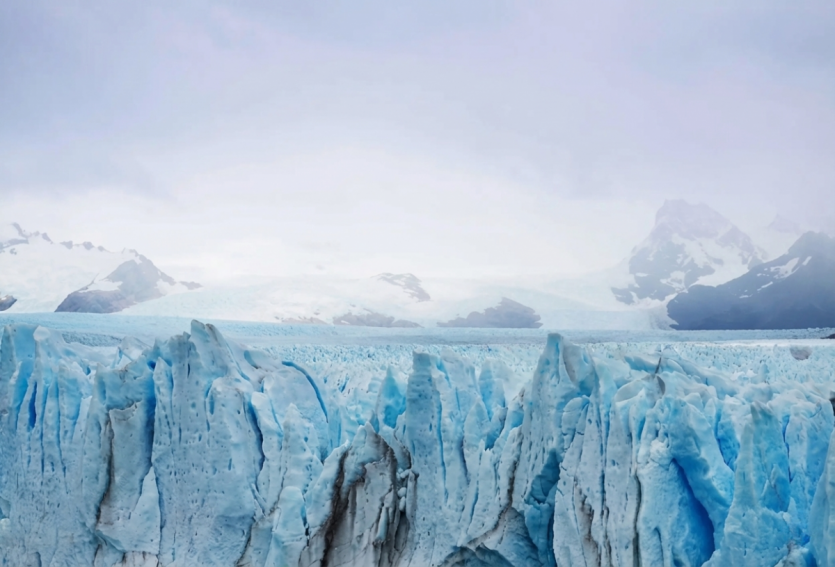
Boat tours from Puerto Bandera navigate through this surreal landscape of floating ice, offering a completely different glacier experience. Instead of approaching a single ice face, you’re surrounded by countless icebergs—some the size of houses, others as large as city blocks. The glacier’s sheer size and the unique iceberg navigation make this essential for travelers interested in experiencing glacial scale rather than intimate proximity.
Spegazzini Glacier
While Upsala wins for horizontal expanse, Spegazzini boasts the tallest front wall of any Patagonian glacier—ice faces reaching 135 meters above the water. The approach by boat reveals the glacier gradually, building anticipation as the vertical walls grow larger. The surrounding landscape includes hanging glaciers on adjacent peaks, creating a comprehensive ice-dominated vista.
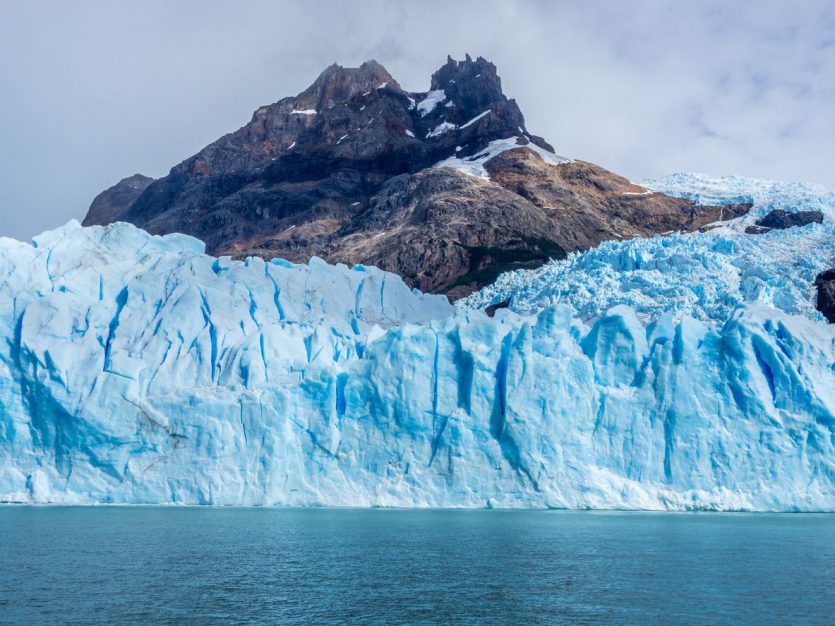
Spegazzini is typically visited in combination with Upsala on full-day boat excursions from El Calafate. The journey includes navigation through narrow channels and past additional smaller glaciers. This is ideal for travelers who appreciate superlative experiences—seeing the tallest ice walls, navigating through dense iceberg fields, and covering maximum glacier diversity in a single day.
What’s the best way to access multiple glaciers efficiently in Patagonia?
The most efficient approach combines a multi-day cruise through the Beagle Channel and Chilean fjords, as well as adding land-based visits throughout your trip to Perito Moreno and optionally Torres del Paine. For this option you would have to fly to El Calafate. This strategy allows you to experience both boat-accessed and trekking glaciers without redundant travel days.
For a seven-day itinerary, focus on a four-night cruise covering Pía, Porter and/or Águila glaciers (depending on the route), bookended with visits to Perito Moreno. Start in either Punta Arenas or Ushuaia (the cruise operates in both directions), then fly to El Calafate for your Perito Moreno visit. This combination provides five distinct glacier experiences across both countries.
A ten-day itinerary adds Torres del Paine, allowing you to experience Grey Glacier either by boat or as part of a shortened trekking route. This requires traveling to Puerto Natales after your cruise, then arranging park transportation. The additional days provide recovery time between activities and accommodate weather contingencies.
For two-week itineraries, consider adding Upsala and Spegazzini via a full-day boat excursion from El Calafate, or incorporating Serrano for a more off-the-beaten-path experience. Extended trips allow for flexible pacing—you’re not rushing between destinations but rather absorbing each location fully.
Logistics matter significantly. Punta Arenas and Ushuaia serve as cruise departure points, while El Calafate is the base for Argentine glacier visits. Cruising between these points saves days compared to overland travel. Cruise-based exploration eliminates daily packing and hotel changes while maximizing glacier viewing time.
Key takeaways
Strategic glacier selection based on available time, adventure level, and access preferences creates a more satisfying experience than attempting to see everything. Understanding which glaciers offer boat access versus trekking opportunities helps you build a logical itinerary that minimizes travel time while maximizing diversity of experiences.
Combining cruise-based glacier viewing with select land-based visits offers the most comprehensive approach—you’ll experience remote fjord glaciers inaccessible by land while also enjoying the famous and easily reached formations like Perito Moreno. This combination strategy works across various timeframes from one week to two weeks or more.
The right timing, proper gear, and expert guidance transform glacier viewing from a tourist activity into a life-changing adventure. Each glacier offers unique characteristics worth considering when planning your bucket list—from the advancing wonder of Perito Moreno to the towering walls of Spegazzini to the intimate encounters at Pía Glacier.
Patagonia’s glaciers aren’t just beautiful—they’re dynamic reminders of Earth’s natural systems at work, changing daily and vulnerable to climate shifts. Witnessing them is both humbling and inspiring, offering perspective that stays with you long after returning home.
Experience Patagonia’s most spectacular glaciers with the expertise and comfort of Australis expedition cruises. The carefully designed routes take you deep into the Chilean fjords and Beagle Channel, accessing glaciers unreachable by land while providing expert naturalist guides, comfortable accommodations, and Zodiac excursions that bring you face-to-face with these ancient ice giants.
Frequently asked questions
Can you visit Patagonian glaciers year-round?
While some glaciers are technically accessible year-round, most expedition cruises and organized tours operate only from October to April due to extreme weather conditions, limited daylight, and safety concerns during the Patagonian winter (May-September). Land-based access to Perito Moreno continues year-round, but with significantly reduced services and challenging conditions.
Are glacier trekking experiences safe for seniors or people with limited mobility?
Absolutely. Glacier viewing offers experiences for all fitness levels, from comfortable boat-based observation requiring no physical exertion to viewing platforms with wheelchair access at Perito Moreno. Moderate walks and optional ice trekking are available for those seeking more adventure, but there’s no requirement to participate in strenuous activities to have meaningful glacier encounters.
How close can you actually get to the glaciers?
Distance varies by glacier and access method. Cruise-based experiences often include Zodiac landings that bring you within 50-100 meters of glacier faces. Perito Moreno’s viewing platforms position you about 100 meters from the ice wall. Ice trekking puts you literally on the glacier surface, walking across ancient ice. The combination of different viewing distances creates a comprehensive understanding of glacier scale and characteristics.
What’s the difference between seeing glaciers from a small boat versus a larger cruise ship?
Larger expedition cruise ships provide comfortable multi-day itineraries accessing remote glaciers with expert guides, full amenities, and protected viewing decks. Day-tour boats offer shorter, more budget-friendly experiences but with less comfort, limited access to remote glaciers, and no overnight accommodation in the fjords. Cruise ships also provide Zodiac excursions for intimate approaches while maintaining a comfortable base.
Do I need travel insurance that covers glacier activities?
Basic travel insurance usually covers standard glacier viewing and boat excursions. Ice trekking and more adventurous activities may require additional coverage for extreme sports or adventure activities. Review your policy’s specific language about covered activities and consider supplemental adventure sports insurance if you plan to participate in ice trekking or climbing activities.

You may also like…
No comments yet
There are no comments on this post yet.
Leave a comment